
A new date's profile is sitting one tap away, and a delayed reply often turns that tap into a nightly routine. Check social media only when it serves a real purpose—basic curiosity or information you will act on—and stop when it leaves you keyed up with no new fact. Their posts are a thin, edited slice of life; your dates, plans, and direct exchanges carry more weight.
Published by Between Dates
Clues That Curiosity Has Turned Into Monitoring
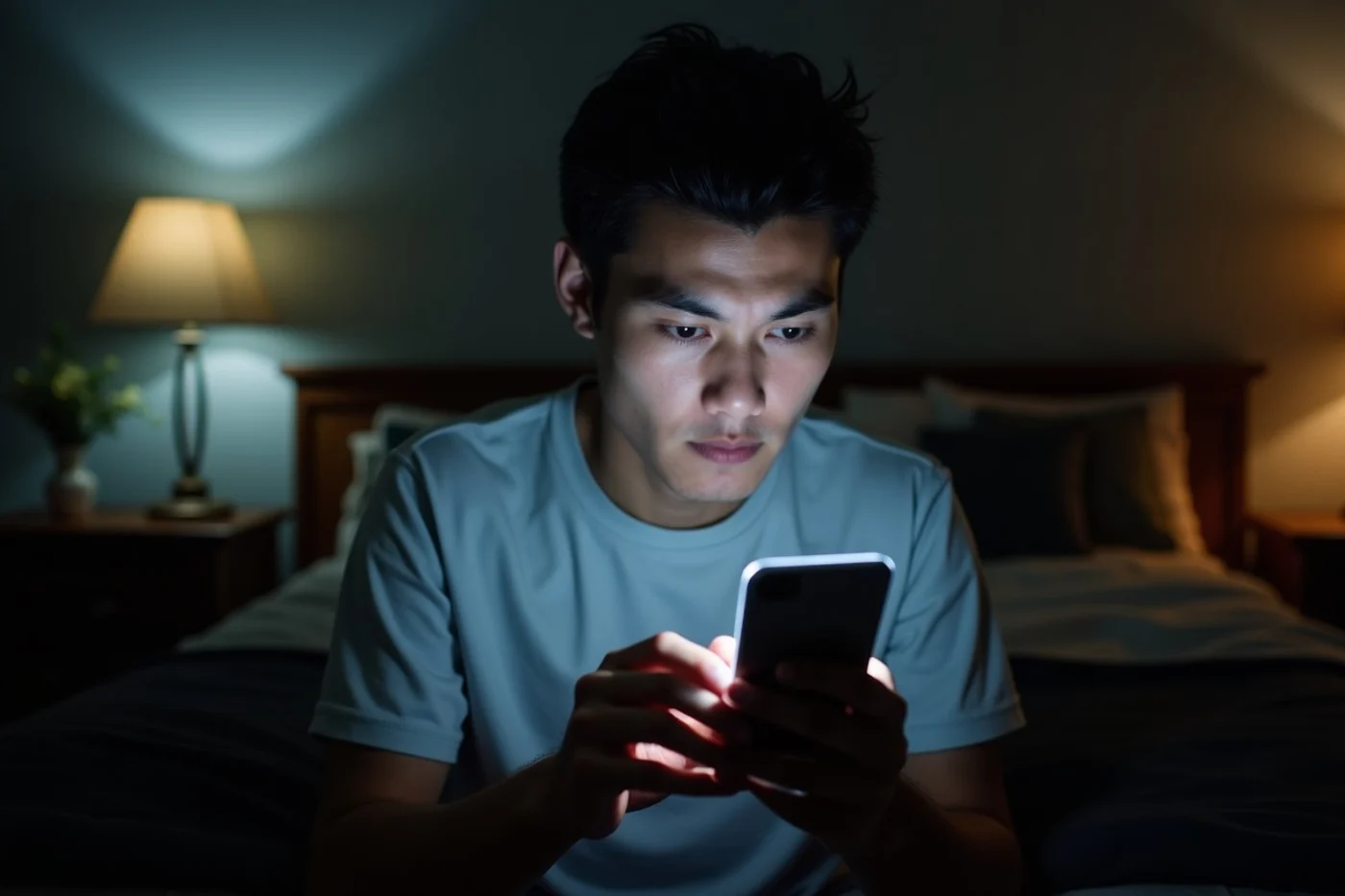
- Clue: You reopen the same profile several times in an evening, even though nothing has changed since the last visit. Meaning: The check has become automatic, not informative.
- Clue: A late text sends you to their following list, tagged photos, old comments, or the accounts of people you do not know. Meaning: You are searching for an explanation that their profile cannot supply.
- Clue: You note when they were active, compare it with your message time, and build a timeline from activity indicators. Meaning: A small piece of online activity is being asked to settle a much larger question.
- Clue: You return after a check leaves you jealous, angry, or embarrassed, hoping the next scroll will settle the feeling. Meaning: Feeling worse and checking again is the clearest warning sign.
- Clue: You alter your day around checking, reaching for the phone in bed, during work, or while out with friends. Meaning: The habit is taking time from your own life.
- Clue: You use likes, views, follows, and unfollows as a scorecard for your place in their life. Meaning: Platform activity has replaced direct information.
Repeated Checking Often Follows a Specific Emotional Trigger
An unanswered message is often the immediate spark. So is the quiet after a date that felt promising, a photo that raises jealousy, a dull afternoon, or fear that someone else has taken your place. The urge is rarely about the post itself. It comes from trying to settle a question that has not been answered.
Consider a hypothetical Tuesday. After a pleasant Saturday date, Jordan has not replied by Tuesday afternoon. A profile check reveals a new story from a restaurant. That image supplies no answer about interest, yet Jordan keeps checking viewers, captions, and activity status because the silence feels intolerable. The trigger is the uncertainty after the date; the scrolling is an attempt to numb it. Naming the trigger gives you a more honest response: put the phone down, return to the task in front of you, and judge the connection when actual contact resumes.
After You Find a Post That Feels Upsetting or Ambiguous
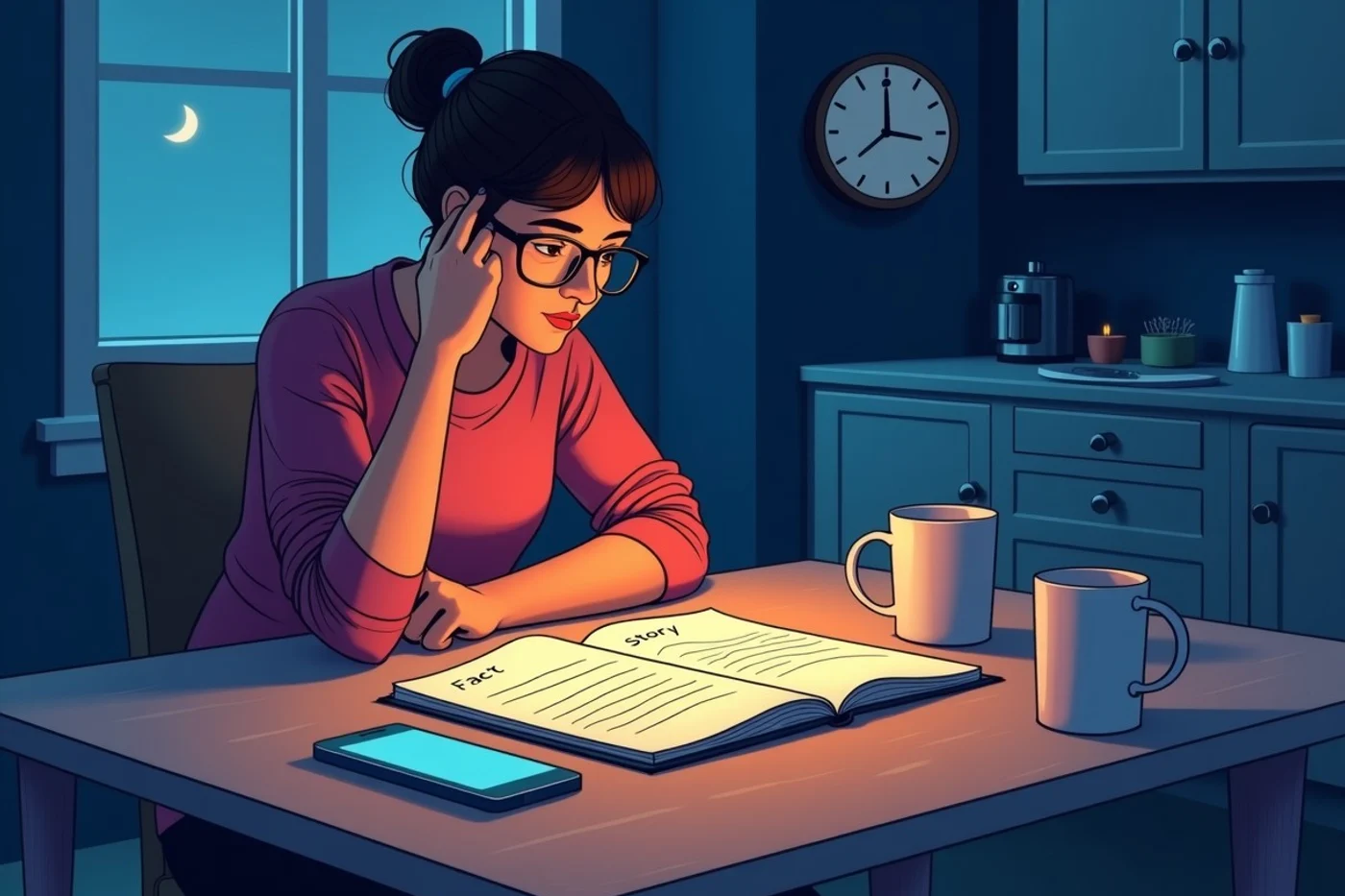
At 11 p.m., a fresh photo or an activity marker often feels more conclusive than it is. The post shows only that an image was shared or an account was active. It gives no answer about who was there, what the occasion meant, whether they saw your message, or how they feel about you. Online activity answers few of the questions that matter early on.
Write down the fact and the story attached to it. A group photo is a fact; deciding that it signals a new romantic interest is an inference. A direct conversation belongs when a post conflicts with a concrete statement, an agreement, or conduct you have personally experienced. A canceled date followed by public photos from a different outing raises a question about the cancellation. One vague caption does not justify an interrogation. Leave ambiguous material alone for a day; if it still points to a direct concern, discuss that concern by phone or in person without turning online clues into a case file.
Signs Social Media Checking Is Affecting More Than Dating
Sleep is a hard line. Checking an account in bed, waking up to review a new post, or lying awake replaying what a follower list means has moved beyond a dating question. The same applies when you lose concentration at work, cancel plans, or reach for the phone every few minutes to manage a sudden dip in mood. Meals, commutes, and time with friends can also become occasions for a covert check.
Cutting off access for the night and returning to normal routines is warranted when the habit starts taking those things. If it persists, or anxiety, jealousy, or low mood feels hard to control, speak with a licensed mental health professional. That conversation can focus on the spillover taking time and attention from your dating life.
Practical Limits for Profile and Activity Checks
Limits hold when they change what happens between the urge and the profile. Removing the app shortcut from the home screen adds a pause before an automatic check. Muting a date's posts and stories leaves the connection intact while taking surprise updates out of your feed. Those changes matter most when a delayed reply sends you searching.
Give social media one 10-minute viewing window each evening for two weeks. Outside that window, skip searches through followers, tagged photos, and old comments. Those searches seldom produce information you will act on; they supply material for another round of speculation.
An upsetting discovery deserves one question: does this change what I will do or discuss? A post showing an explicit conflict with plans you made has an answer. A change in who follows whom does not. Once the answer is clear, close the app and return to your plans for the evening. Do not use a second account, a browser search, or a friend's screen to get around the limit. A boundary full of loopholes leaves the late-night habit untouched.
For the next week, give social media a fixed, brief place in your day and notice what prompts an extra check. Interest is better judged through the time someone spends with you, the plans they honor, and what they say directly. When the phone keeps pulling you away from your own evening, tighten the limit.