
Serious intentions are worth discussing before uncertainty starts steering your calendar and emotional investment. Ask what they are looking for in dating once the answer will change whether you keep seeing them. Timing matters. So does wording. You are seeking their general direction, not a promise that this particular connection will last.
Published by Between Dates
When You Have Enough Interest to Need Clarity

Interest can raise this question before a relationship has a label. The number of dates is a poor guide. Three engaged dates can matter more than eight casual ones. A few may be enough once you decline other invitations, rearrange work, or picture this person in choices that once involved only you. Waiting until you are deeply attached raises the cost of an answer you may not like.
Imagine that after four dates, you move a Thursday shift handoff so you can meet for dinner at 7:00, then pause before accepting a weekend trip because you expect another date. Nothing about that schedule proves a shared future. It shows that your plans are tied to an unanswered question. Their answer should inform your choices before you build a case from scraps.
Direct Questions That Leave Room for an Honest Answer
Direct wording asks a fair question rather than setting a hidden test. The straightforward version is: “I’m enjoying getting to know you. Are you dating with a serious relationship in mind?” Silence after the question lets them answer and spares them from having to decode your hopes.
A conversational approach connects it to the time already spent together: mention that you have enjoyed seeing them, then ask what they hope dating leads toward. A more reserved approach names your preference for knowing each other’s general direction as feelings develop. All three versions ask about intentions, not whether they will commit to you today. Skip questions so broad that a vague reply counts as an answer. Serious relationship, casual dating, and uncertainty are distinct positions; the wording should leave space for each.
Sharing Your Intentions Does Not Require a Promise From Them
Your own answer belongs in the conversation. Say that you are dating in hopes of a serious relationship and are still learning whether the two of you fit. That is candid without asking them to predict the future.
Demanding certainty this early turns an intentions question into a verdict on a relationship that does not yet exist. Saying nothing leaves them to guess why the question matters. The stronger choice puts your preference on the table and asks them to do the same. Serious intent means openness to finding out; it does not mean claiming you have already found the right person.
Should You Ask in Person or by Text?
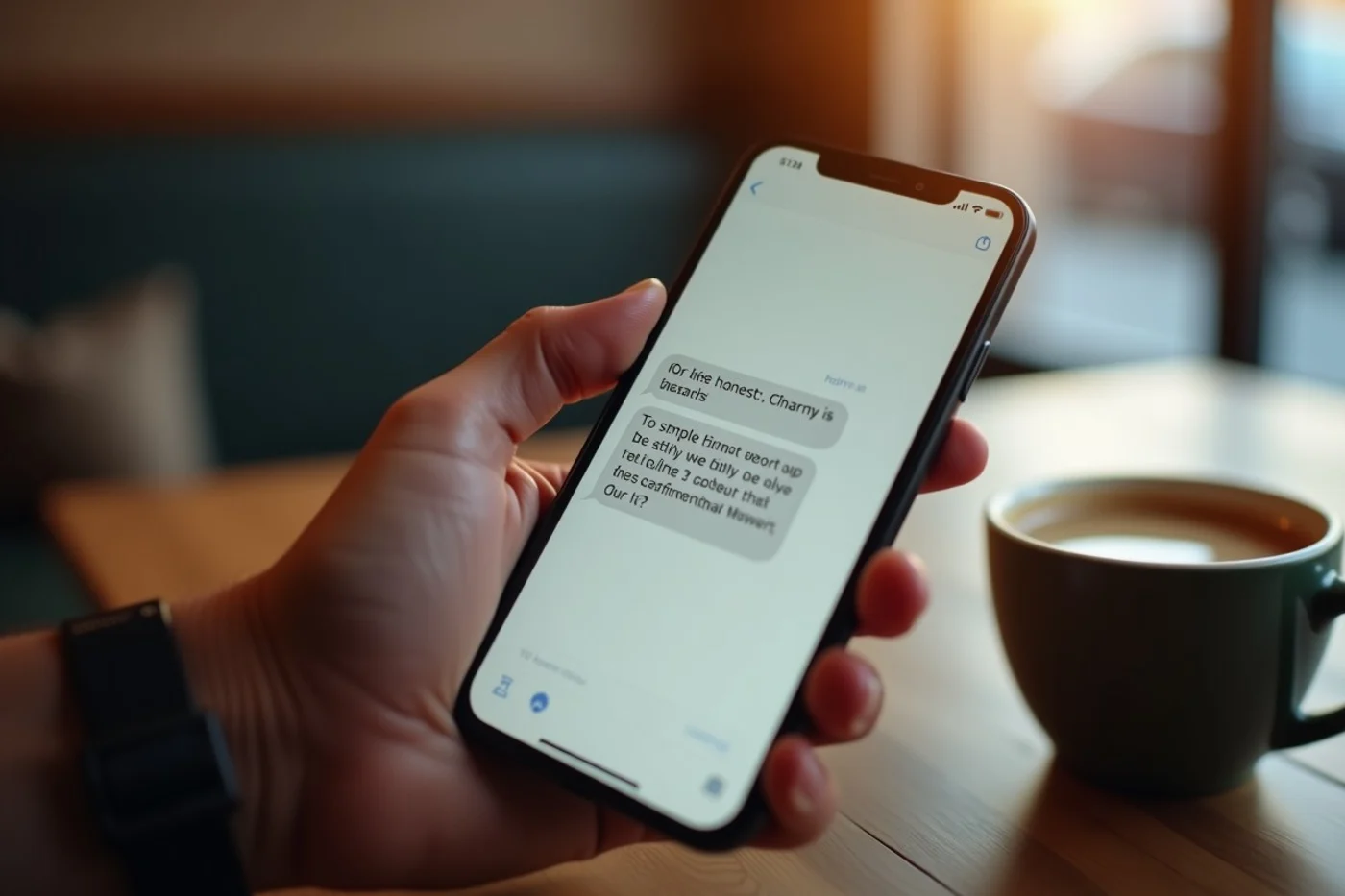
A cafe table after a date offers more than privacy; it leaves time for the pause after a real question. In person works well for a conversation that may bring disappointment, relief, or a longer exchange. Asking while one of you pays at the coffee counter or steps onto a train puts a response that needs thought on the clock.
When distance, opposite shifts, or an established text-heavy connection puts a meeting days away, text is reasonable. Write one plain question and leave it there. Text gives each person time to think, though tone is easier to misread on a screen. A phone call works when both of you want a live conversation without waiting for the next date.
A Clear Answer, Genuine Uncertainty, or Deliberate Evasion
Specificity separates an answer from a pleasant-sounding dodge. A clear response names a general aim, such as seeking a serious relationship, and admits the present reality: you are still getting to know each other. Its meaning holds when later conduct matches the words: dates happen, interest is expressed, and changes get stated plainly.
Genuine uncertainty has substance. Someone may say they are open to a serious relationship, explain that they are not sure about this connection yet, and agree to return to the topic after more time together. That answer does not guarantee alignment, but it gives you something definite to judge. Evasion keeps the issue foggy. Jokes, declarations about living in the moment, and complaints that the question is too intense become evasive when they recur without any stated relationship aim. Don't promote a non-answer into hope.
What Their Response Reveals About Compatibility
Later conduct gives the initial answer its weight. An interested date who says they are looking for something serious keeps making plans, is present when you meet, and talks plainly if their feelings change. An uncertain date who continues arranging dates and returns to the subject at the agreed point deserves to be taken at their word for now.
The harder reading is an evasive answer followed by months of vague contact or repeated avoidance whenever intentions come up. You do not solve that mystery by waiting longer. Your stated hopes do not match the dating experience being offered. Decide from both facts: their answer and the dating life that follows it.
Respond According to the Answer You Actually Received
When both people name serious intent, continue dating without pretending the outcome is settled. The conversation has established a shared direction, not a relationship contract. Let the next several dates show whether enthusiasm survives the daily facts of timing, interest, and how each of you handles a changed plan.
When you are unsure, choose a private review point after a few more dates so you do not wait indefinitely. An answer that stays vague then tells you about the terms being offered. When their goal is casual dating, or they refuse to name a goal, stepping back is a clean response. Staying in hopes that a direct answer will reverse asks you to gamble against what you have already been told.
Have the intentions conversation once the answer will affect whether you keep investing. Listen for a stated direction, then watch what happens over the dates that follow. When you are waiting for a version of them that has not appeared, stop waiting.