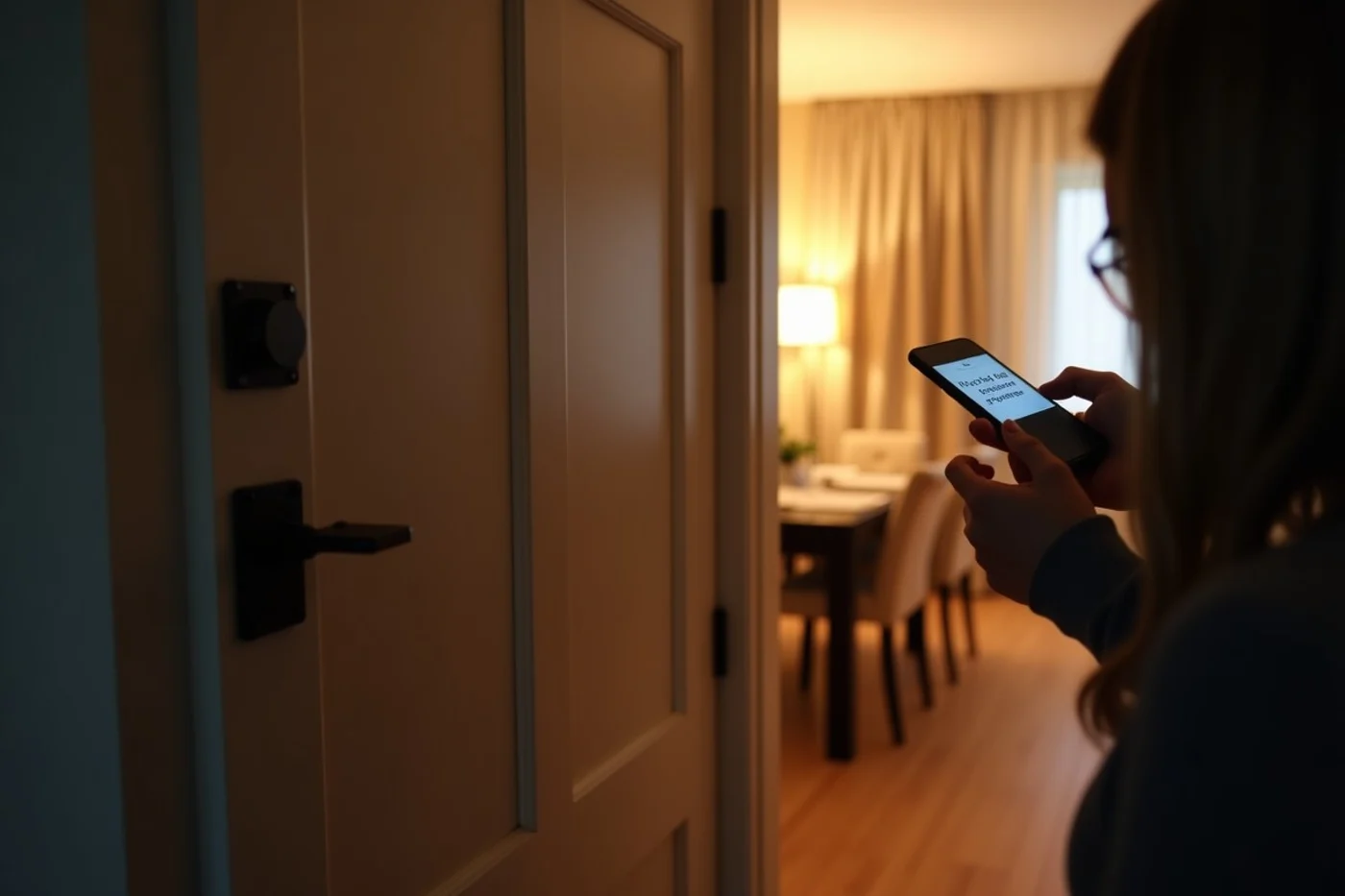
An unexpected knock at your home carries a different weight from a last-minute invitation to dinner. The way to ask someone not to show up unannounced is to tell them, before the next visit, that they need to ask and receive a yes before coming over. Give a short reason—privacy, work, rest, guests, or simply wanting notice—and name an alternative: a text first or a plan to meet elsewhere. This isn’t a referendum on how much you like them. It is a condition for access to your private space.
Published by Between Dates
Unannounced visits can cross a reasonable privacy line
Someone may enjoy an impromptu drink or a text asking whether they are free that evening. A home has a locked door, a schedule, other people, and private moments behind it. Access begins with an invitation each time, even after a warm date or several visits.
A date arranged for Friday conveys permission for Friday; it does not turn a home into a drop-in stop on Tuesday. Someone may be changing clothes, working, asleep, hosting a friend, or wanting a quiet night. None requires a defense. Advance permission protects your ability to decide what happens at the door before there is someone standing outside it.
The response reveals whether the request is being respected
Respect shows up after the conversation, in the next invitation. Someone who is receptive acknowledges the request, sends a text before leaving home, and accepts a no without turning it into a measure of affection. The apology matters less than changed conduct.
Jokes that you are uptight, complaints that you are making things difficult, or claims that dating grants a standing invitation all move away from the actual point: you decide who enters your home and when. Testing the limit by waiting nearby, announcing they are already on the way, or arriving with a thin excuse deserves a firmer response. Affection does not create access.
When a surprise arrival happens again
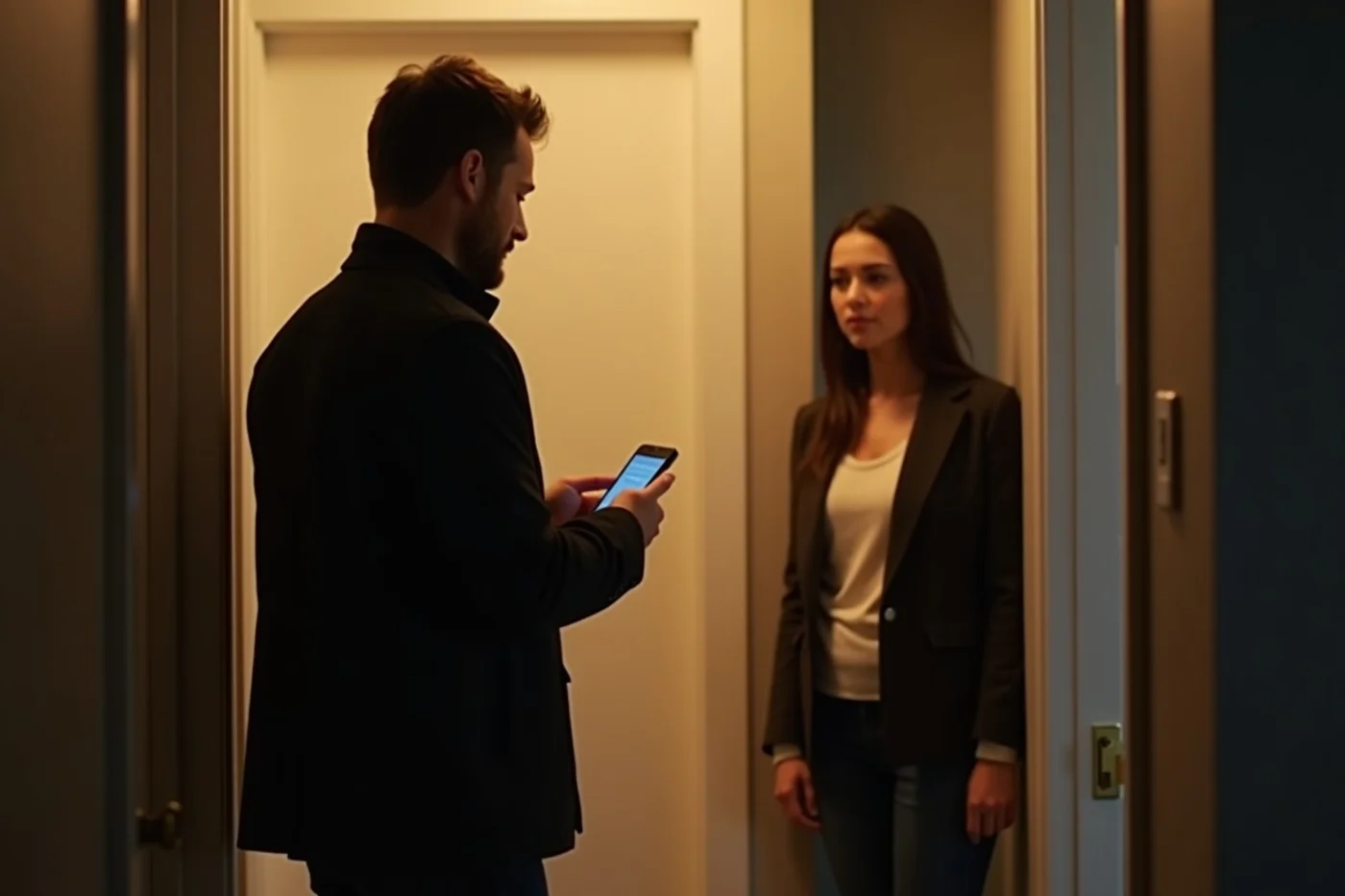
An arrival after a prior request is no longer merely a missed cue. It may reflect carelessness, a belief that persistence will wear down your answer, or simple disregard. The exact motive matters less at the doorstep than the fact that no invitation was given.
Decline the visit without a long discussion through the door. State that you are unavailable, then send a follow-up text later that identifies the arrival, restates the permission requirement, and names the consequence: an unannounced visit will not become a visit. That consequence is not punishment; it closes the loophole created by opening the door after saying no.
Permission before visiting
Permission needs a usable definition. Say which place is covered—your apartment, house, or building—and when permission is required: before they leave, not from the sidewalk or building lobby. A request works only when waiting for your answer is part of the arrangement.
Texting first works for an unplanned coffee or a same-day invitation. Meeting at a bar, park, or restaurant also preserves spontaneity without putting your front door into the decision. The reply must be affirmative; silence, a missed call, or a message sent after arrival is not permission.
A preference sounds like a wish for more notice, with exceptions made on your own terms. A firm privacy requirement means no arrival without prior approval. Use the firmer wording when a drop-in visit is unwelcome every time.
What should you do if they take the request badly?
A bad reaction has degrees. Confusion after a casual, poorly timed first visit deserves one calm clarification, particularly when the person later changes course. The advantage is that a misunderstanding receives a fair chance to end; the inconvenience is a brief uncomfortable conversation.
Defensiveness changes the decision. Sulking, accusing you of being secretive, arguing that they drove all that way, or framing your home as proof of trust shifts their disappointment onto you. Pause contact when the exchange turns into a fight. When they mock the limit, insist on access, or return to the issue through their actions, ending early dating is justified. You aren’t required to bargain over who gets to appear at your door.
Raise the issue before another plan puts you on the spot. The strongest version is brief: permission comes before a visit, and a no is allowed without an argument. Then judge the connection by the next few interactions. Someone who accepts a closed door without resentment leaves dating enjoyable; someone who contests it has supplied a decisive answer.