
Wanting another date is not a demand. Say that you enjoy seeing them, name the amount of time you would like, and suggest one plan with an easy way to decline or offer another time. Their answer matters, but their scheduling afterward matters too: interest shows up in both what they say and whether they make time to meet.
Published by Between Dates
Wanting more time together does not require a demand

After several enjoyable dates, wanting an extra evening together in a typical week is a preference worth naming. First, get clear with yourself: are you missing longer conversations, more shared activity, or simply enough time to see whether the connection deepens? Those are different requests. A vague wish to "see each other more" often carries disappointment that the other person has to decode.
Raise the subject as information about your interest, not an obligation or a test of theirs. Name the amount of contact you would enjoy and the reason it matters to you, without turning past scheduling into a scorecard. The important distinction is simple: you are describing what would suit you, not announcing what they must provide to prove they care. That leaves both people able to answer honestly before resentment fills in the blanks.
Signs the current pace no longer works for you
A crowded week does not, by itself, mean the connection is moving too slowly. The deciding factor is what the current schedule repeatedly produces: enough shared time to learn about each other, or a string of pleasant resets that never develops beyond the last date.
- Option: A brief scheduling squeeze What changes: One demanding workweek or a family obligation creates a gap, then dates resume without either side carrying the whole arrangement.
- Option: Stalled familiarity What changes: Several dates feel enjoyable, yet each meeting starts with the same surface-level catch-up because too much time passes between them.
- Option: Shared adjustment What changes: Both calendars matter. Each person occasionally protects an evening, offers a workable alternative, or travels across town.
- Option: One-sided flexibility What changes: Your weekends, commute, or after-work hours repeatedly bend around their availability while their schedule stays untouched. That arrangement eventually feels less like dating and more like waiting for an opening.
When you are usually waiting for the next invitation
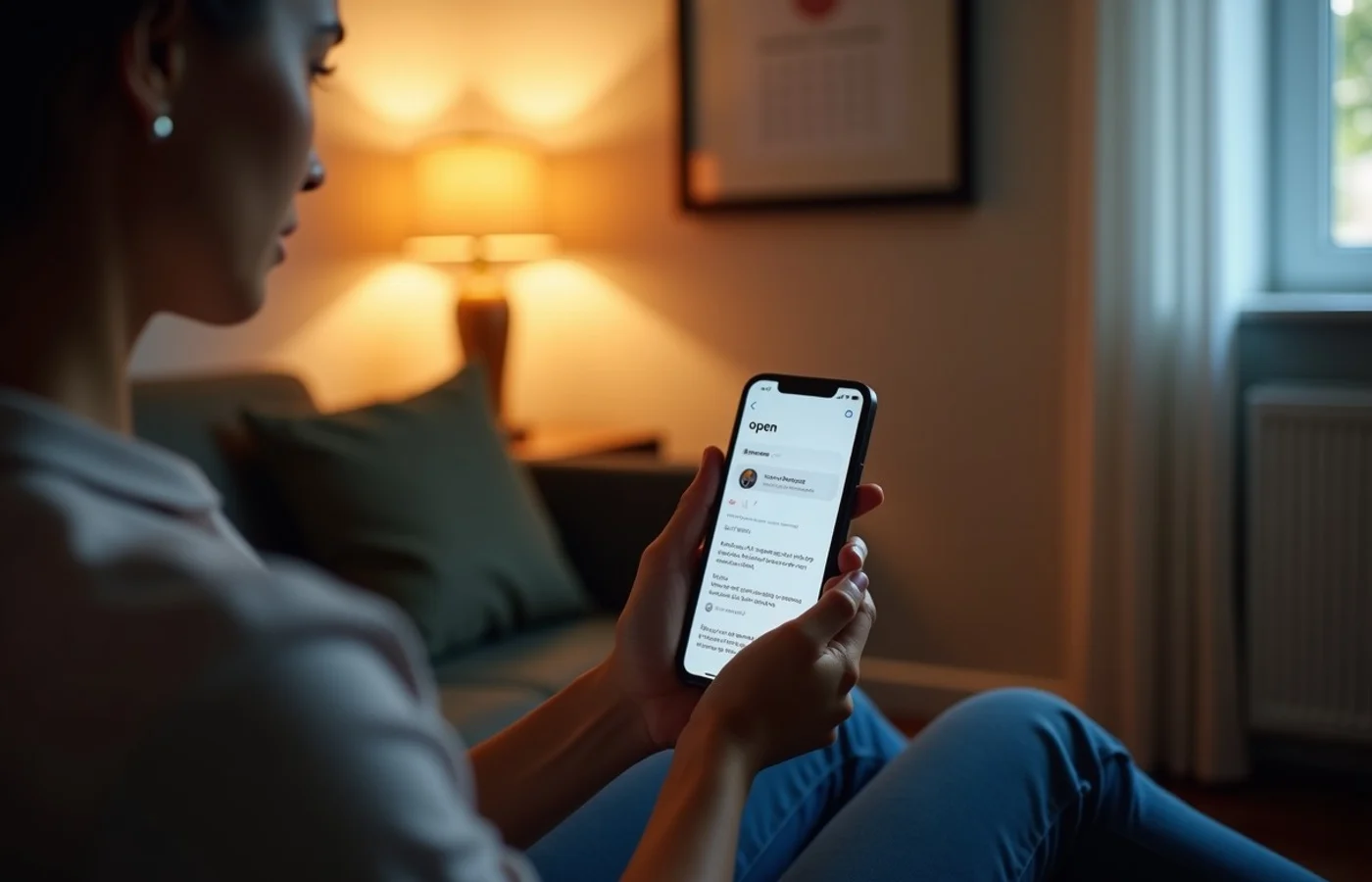
Waiting for them to set every date turns a simple preference into a silent test. Bring it up once you have a calm moment together, ideally during a date that is already going well and not while either of you is rushing out the door. An in-person conversation fits when you want to explain that you enjoy the time together and would welcome more of it. The subject is small enough to raise plainly; it does not need the weight of a relationship talk.
Text suits a different circumstance: several days have passed, no date is on the calendar, and waiting feels more performative than patient. Send the subject in a direct, brief note and let their response stand. Don’t bury it beneath jokes, hints, or a recap of who initiated last. The important distinction is this: taking the initiative ends the waiting, while demanding a certain answer would create the strain you are trying to avoid. Raise it in person when you already have time together; use text when the absence of a next date is the issue itself.
A specific invitation with room to decline
A good invitation names the day, time, and activity. If Tuesday evening is open, suggest dinner after work or a walk near a convenient train stop. That lets them accept, adjust, or decline. Include the frequency you would enjoy only when it adds context, such as wanting to see each other once more before the following weekend. The request states your preference and leaves their choice with them.
A genuine option to decline means acknowledging that the proposed time might not work and leaving space for another suggestion. That space disappears when the invitation includes disappointment, a demand for an immediate answer, or several backup dates that turn a no into a negotiation. A hypothetical before-and-after is simple: “sometime soon” becomes a Saturday afternoon museum visit, with the understanding that a different day is fine. Their choice then concerns an actual plan, not a test of their feelings. Keep the invitation to one clear request, then let the response provide information.
What if they do not want to meet more often?
When the week ends without another date on the calendar, pay attention to both the answer and what happens afterward. Someone may genuinely have a crowded stretch at work or family obligations. Their response shows the difference: they name a later opening, suggest another day, or make time once the busy period passes. A warm answer that never produces a date leaves you in the same position as a direct no.
One conversation is enough to put your preference on the table. Reopening it after every quiet week turns dating into a negotiation over crumbs of time. Don’t argue them into a schedule they have not chosen. Notice whether the amount of time they offer lets the connection grow in a way that feels worthwhile to you.
A mismatch does not require either side to be wrong. It means the available relationship is smaller than the one you want. You can continue seeing them at the existing pace without expecting it to change, or step back because infrequent dates leave you dissatisfied. When their stated interest and their calendar keep diverging, let the calendar answer.
A few common questions
Should I bring up seeing each other more often right after a good date?
A good date is often the cleanest moment. Mention it while the connection is present, then attach it to one clear idea: "I had a great time tonight. I'd be glad to see you again next week. Are you free Wednesday or Saturday?" That is an invitation, not a claim on their calendar.
Should I wait for them to ask for the next date?
No. Waiting turns a preference into a silent test. Make an invitation when you want to see them, then notice whether they accept, counter with another time, or later initiate something themselves. Their response tells you more than a contest over who texted first.
What should I say if they say they are not feeling a connection?
Take the answer at face value and close the exchange cleanly: “Thanks for telling me directly. I enjoyed getting to know you, and I wish you well.” Trying to convert that answer into a discussion about meeting more often only extends a decision they have already made.
Is it better to ask by text or in person?
Text works well when the subject is simply scheduling another date. Bring it up in person when you have been seeing each other for a while and want to explain that the current spacing leaves you unsatisfied. A short conversation avoids loading a casual scheduling text with more meaning than it can carry.
One clear request gives you information; repeated lobbying only creates an awkward negotiation. What if they like you but still cannot meet more often? That still leaves a real mismatch between the connection you want and the time they are offering. Thank them for being direct, decide whether the current pace suits you, and stop treating vague future plans as a commitment. If their answer is warm but unspecific, ask once for a day; if nothing follows, step back.