
When two canceled dates have cost you a dinner reservation, a changed childcare pickup, or a free evening you protected, the question stops being theoretical. After a second cancellation, leave the next plan to the person who canceled. Offer one more date only when they have already tried credibly to repair the disruption, not because you want to keep momentum alive. Interest shows up in scheduled time, not in a possibility kept warm.
Published by Between Dates
A second cancellation shifts responsibility for the next plan

Two cancellations shift the work of arranging the next meeting. You have already shown willingness to meet, and a third invitation from you turns a scheduling problem into a one-sided chase. The cost is not only a lost evening. It is finding openings, choosing a place, and holding that time clear twice over.
A real conflict happens. It still leaves the person who backed out responsible for naming a day that works. Leaving that responsibility with them is not a punishment or a test. It is the cleanest way to see whether meeting you has a place on their calendar.
Did they offer a specific alternative date?
- Cancellation Detail: They gave notice, explained the conflict briefly, and proposed a day and time without waiting for you to ask. What It Suggests: Their schedule changed, but they are still taking responsibility for seeing you. Decision: Accept, decline, or adjust the proposed date as you normally would. A third meeting is already being arranged.
- Cancellation Detail: They canceled close to the date, offered little explanation, and left the rescheduling question with you. What It Suggests: The reason may be legitimate, but they have not taken steps to make another date happen. Decision: Do not supply a new plan. Wait to see whether they return with one.
- Cancellation Detail: They followed up days later with a vague reference to being busy and no date attached. What It Suggests: They are preserving contact without making meeting a priority. Decision: Do not keep evenings open. No plan exists until they name one.
When the earlier pattern was otherwise reliable
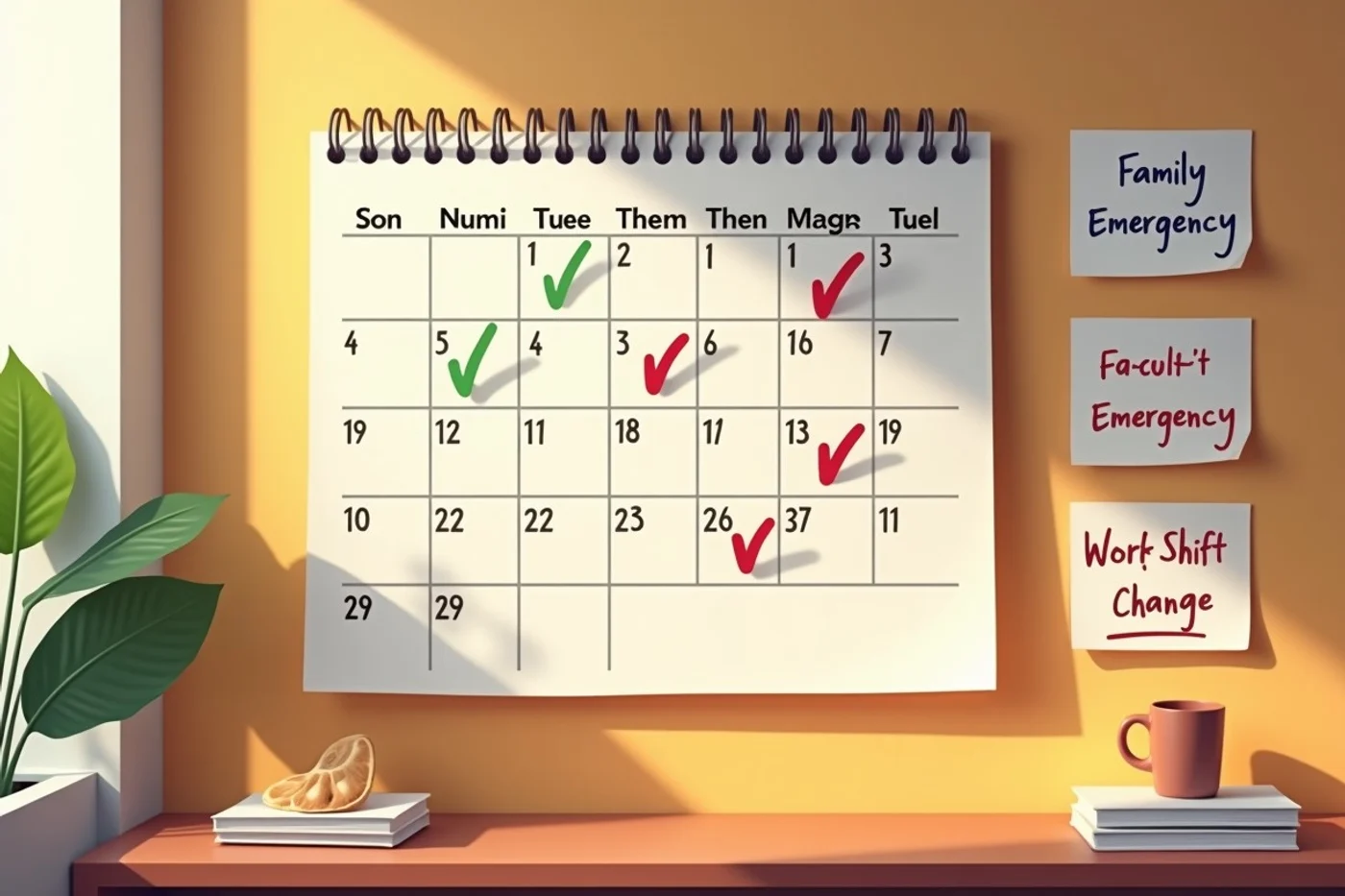
A month of on-time dates, plans started by both people, and dates that happened as planned before two cancellations changes the reading. A family emergency or a work shift that moved at short notice does not erase that history. For example, someone who had consistently met you after a 6:30 p.m. childcare handoff and then had two disrupted weeks deserves more latitude than someone whose dates have been tentative from day one.
That latitude is limited. One more date makes sense when they offer a workable time or promptly answer an open follow-up with one. A good history deserves consideration, but past care cannot carry the entire connection after dates stop happening.
The open-ended follow-up option
An open-ended follow-up closes your side of the scheduling loop without pretending the connection is over. Send it once after the second cancellation, say you are still open to meeting, and leave them to return with a day, time, and enough notice for you to accept or decline. Skip a list of openings and do not check back later. Those moves make you responsible for repairing plans you did not cancel.
A specific reply warrants a response, even when the date they suggest does not fit. A vague apology, a casual check-in, or silence does not. Stop holding evenings aside when no actual plan arrives. Continued interest then rests only on what you put in, which is a poor basis for building something serious.
Leave the next invitation with them. A date on the calendar, proposed without your prompting, earns a reply; another loose expression of interest does not. This standard recognizes a genuine disruption while keeping you from doing the planning for a connection that has failed to materialize.