
Silence turns a small unanswered message into a much larger question. Send one final text only when it settles something for you, such as an unresolved plan or your decision to stop waiting; don't send it expecting the other person to supply emotional closure. One message is enough. Then stop.
Published by Between Dates
Signs a Final Message Could Serve a Useful Purpose
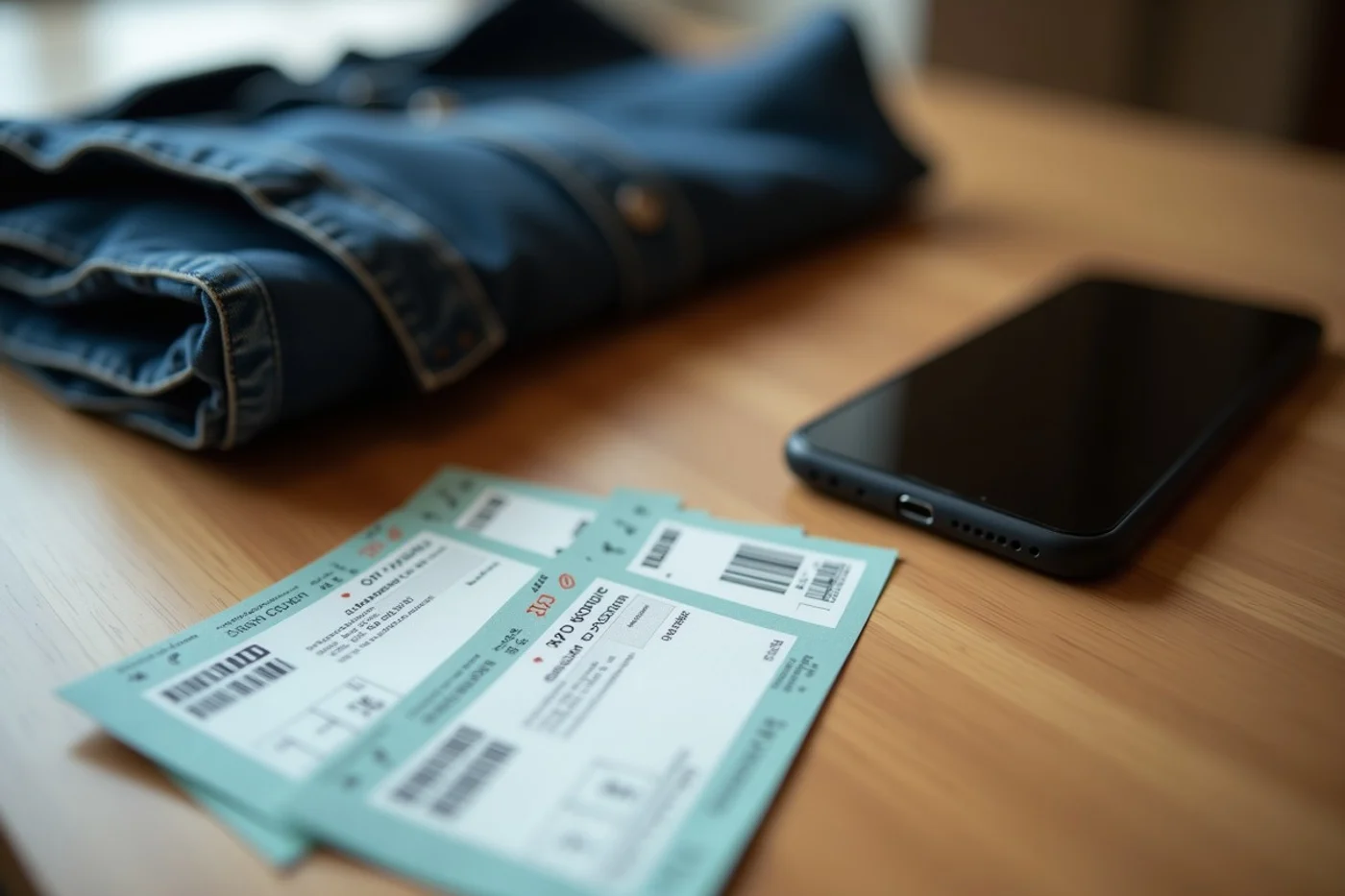
A last message has a sound reason when it handles a loose end. Perhaps you had tickets for Friday, left a jacket at their apartment, or had been seeing each other long enough that disappearing without a word changes what you need to say for your own sake. In those cases, the text puts your position on record and ends the open question.
Wanting to restart contact is a different motive. That hope often turns a final text into a disguised bid for reassurance, and silence after it lands harder than the first silence. Closure rarely arrives as the perfect explanation from the person who stopped replying. It comes from deciding that you will no longer wait for their participation.
A final message also marks a line when you are done with the situation. Its value lies in what it asks of you afterward: no chase, no second version, no attempt to argue someone back into the conversation.
When Is One More Text Reasonable?
- Situation: Several dates, steady contact, then an abrupt unanswered message Case For One Message: A brief closing note fits the amount of contact that existed and lets you leave without guessing whether a direct answer was possible. Reason To Leave It There: One unanswered text already shows that the conversation has stopped. A second message is the limit.
- Situation: A date or practical arrangement remains unresolved Case For One Message: Send one message that closes the plan, especially when you need to decide whether to reserve the evening or make other arrangements. Reason To Leave It There: Once the plan is closed, there is nothing left to negotiate through text.
- Situation: You have already sent more than one unanswered follow-up Case For One Message: There is little left for another message to accomplish. Reason To Leave It There: More attempts shift the focus from their absence to your pursuit of a reply.
Waiting Briefly Produces a Clearer Decision
An unanswered casual text does not require an immediate final message. Give it at least a full day, and allow more time when their established habit is to reply after work, during a break, or on weekends. Waiting briefly prevents a reaction to one unfamiliar delay.
A scheduled plan changes the clock. When an answer is needed to confirm that evening's date, send one logistics-focused follow-up early enough to make another plan. No reply by the time you need to leave, book, or prepare means the date is off.
After that short pause, make the decision from the silence already in front of you. Staring at read receipts or online activity will not improve it.
A Concise Final-Text Structure
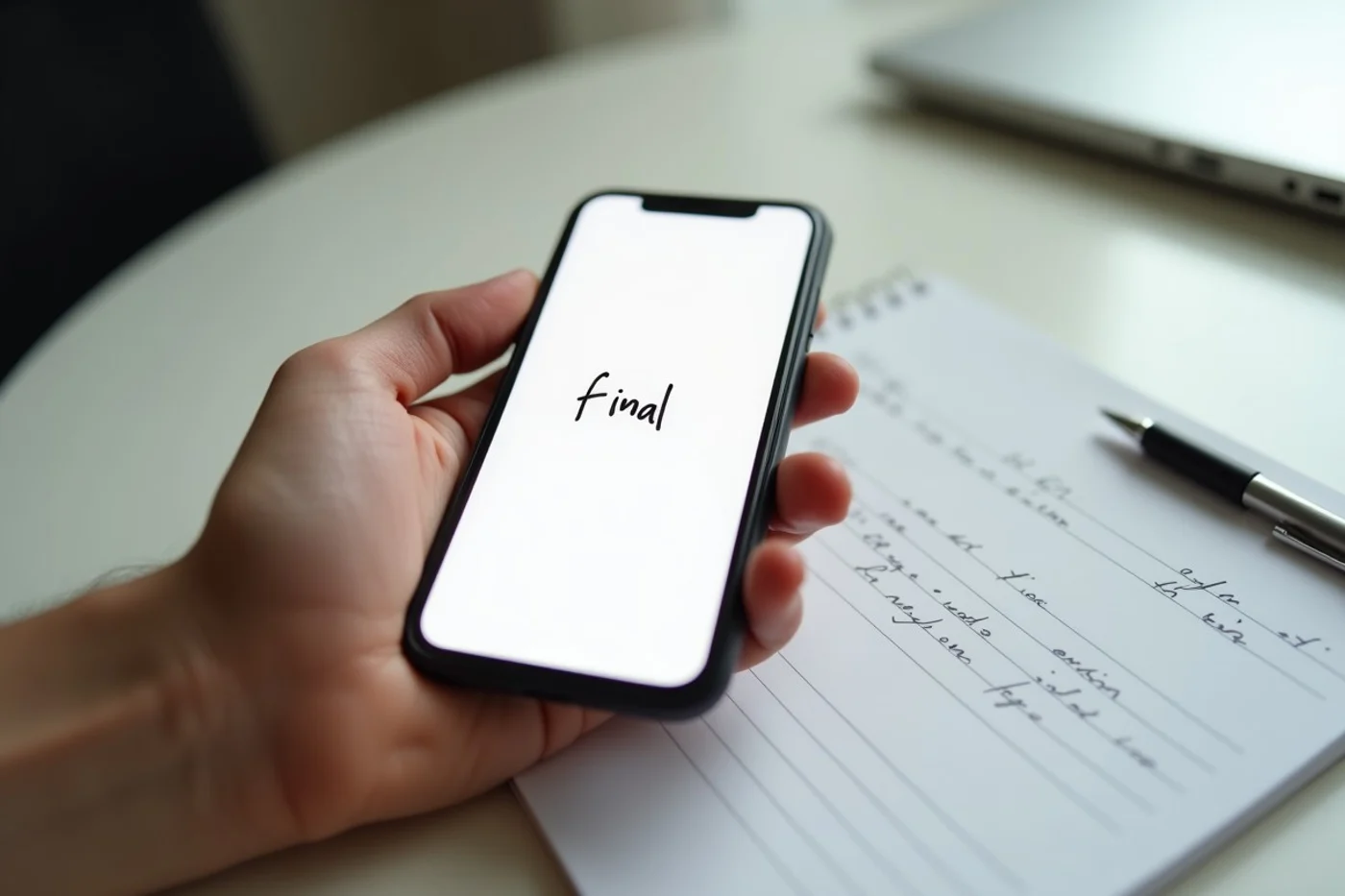
The strongest final text is short because it has one job: acknowledge that contact stopped and state what you will do with that fact. It names the silence without cataloging every message, leaves space for a direct response, and closes your side of the exchange if none comes.
Write in plain language. Refer to the unanswered conversation or unresolved plan, say that you are stepping back, and make it clear that a direct reply is welcome only if they genuinely intend to engage. Skip accusations, sarcasm, detailed hurt, and questions designed to force an explanation. A paragraph that needs a rebuttal has already become an argument.
Read it once before sending. Remove any sentence that asks them to prove their interest, defend their behavior, or soothe your disappointment. The finished note should stand even if the phone stays silent.
If They Reply, Deflect, or Remain Silent
A direct ending is the cleanest response. Accept it, leave the exchange there, and resist turning a late explanation into a postmortem. After a few dates, that is enough information to move on without another discussion.
An apology deserves attention only when it comes with a present-tense response and a believable attempt to repair the missed connection. Someone who says they have been busy but does not answer your question, acknowledge the canceled plan, or propose a time to reconnect has not reopened the conversation in any meaningful sense. At that point, the apology is a delay, not a return.
Vague replies create the most temptation to keep writing. A message that says life has been hectic, that they have had a lot going on, or that they will reach out soon leaves you hanging when it contains no direct answer. You do not need to challenge it. Let the exchange end.
Continued silence is also an answer. It says nothing precise about their reasons, but it tells you what contact with them looks like now.
Let the Final Attempt Be Final
The urge to reopen the thread often shows up after the final message has been sent: a new thought, a softer version, one more question. None of those messages changes the original silence. Leave the conversation where it is.
Mute or archive the thread if the notification space keeps pulling your attention back. Fill the evening that had been reserved for waiting with another plan, and stop checking whether they viewed a story or came online. Their lack of response has already given you the information needed to disengage.
A final text works only when your behavior matches its ending. Sending it and then pursuing an answer turns a closing message into the start of another round.
Send a final text when it closes an unresolved plan or lets you state that you are stepping away. Keep it brief, send it once, and judge any reply by whether the person actually resumes direct contact. When nothing arrives, leave the thread closed. You don't need a better explanation before you stop giving the silence more of your time.