
After a few dates, replies that once arrived over lunch or after work now arrive the following day. Do not chase one late message or copy the delay. Compare the shift with their warmth, plans, and whether they keep in touch, then raise it once it continues.
Published by Between Dates
A sudden slowdown matters most when the broader pattern changes too

Their usual rhythm matters. Someone who replies after an evening shift and takes longer during a work deadline may not be pulling away. If they once answered with interest, suggested dates, and checked in after seeing you, a timestamp tells only part of the story. Travel, a demanding week, or an unusual family obligation can change phone use for a short time.
Concern rises when slower replies come with flatter messages, no questions back, dropped plans, or a sudden end to their usual initiative. Reply speed means less when the rest of their behavior stays engaged; a decline across several signs of interest deserves attention. Daily texting can become routine for some pairs early on, but its absence alone says little. What matters is a clear departure from what the two of you had been doing.
What changed besides the reply speed?
A late-night reply after they said they had a busy day says more than silence after a canceled plan goes unmentioned. Notice what they say when they answer. Do they respond to your message, move the conversation along, or end each exchange with a vague reaction? Attention shows up in the content, not just the clock.
Date logistics offer another check. Someone with a packed week who names an evening next week is still trying to see you. Someone who repeatedly lets invitations fade, avoids picking a time, and returns only when prompted is showing a different shift. One delayed text is a scheduling fact. Several exchanges with less engagement and no move toward a date tell a broader story.
When the slowdown continues across several exchanges
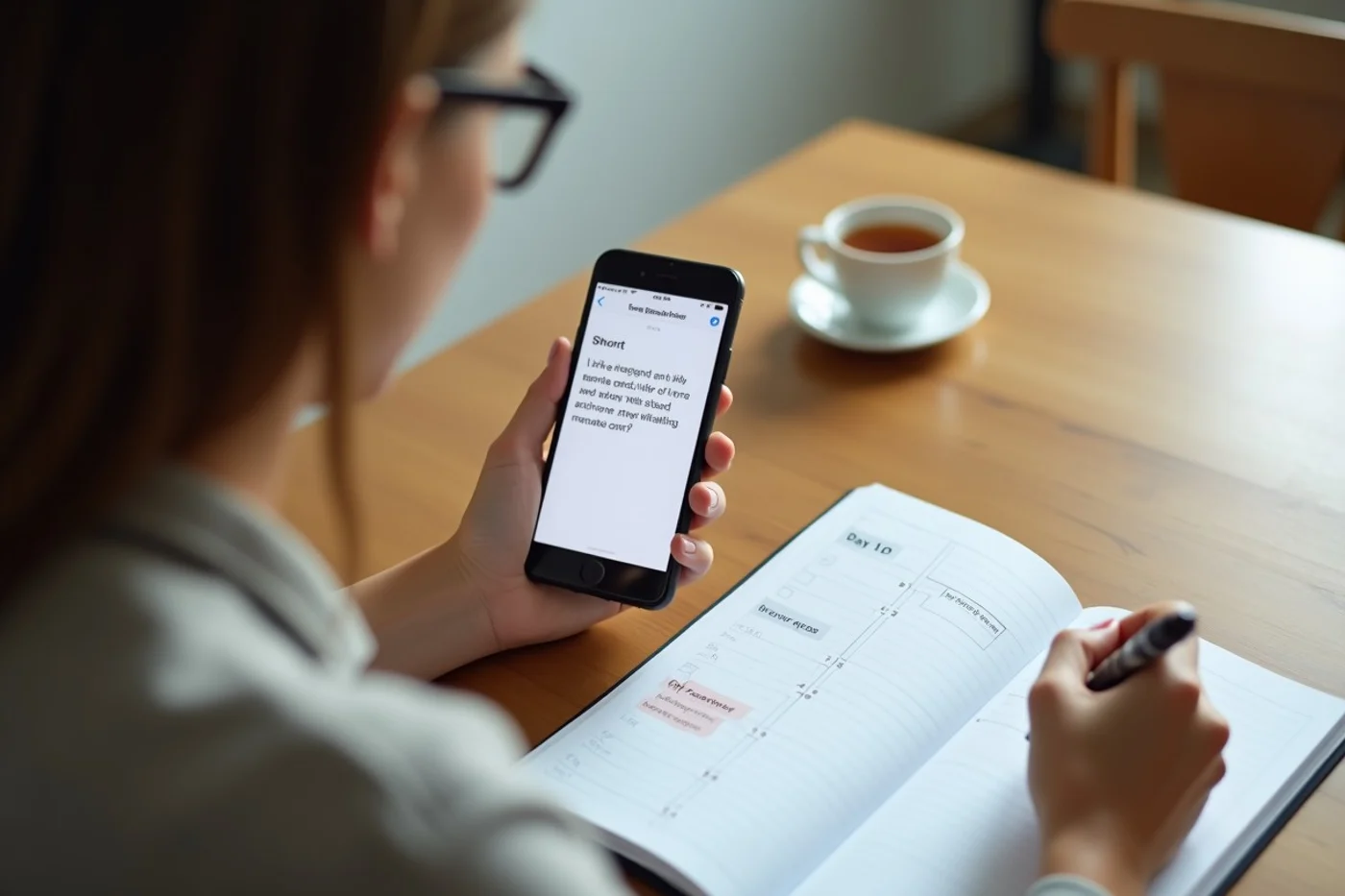
One delayed reply rarely calls for a conversation about the relationship. Waiting through several exchanges lets a temporary disruption pass and keeps one anxious evening from setting the tone. Uncertainty lasts longer, but repeated behavior gives you more than a guess.
Example: if the slower pace continues through two or three exchanges and a proposed date receives no real follow-up, raise it once. That is enough time to see whether the change was an isolated busy period or a new way of engaging. Do not keep sending fresh topics to force the old pace back.
A calm check-in and a clear decision point
If the change continues, say you have noticed less contact and ask whether something has changed for them. Describe what you have seen without guessing at a motive. Asking about interest, time, or whether they want to keep dating invites an honest answer. Complaints about being ignored, reply-time calculations, and a list of old messages turn a small check-in into a case against them.
Their response matters, but what happens over the next few days matters more. A direct explanation followed by making plans again and engaged replies suggests they still want to date. A vague explanation followed by the same thin contact does not. If they say they are not feeling a connection, accept that without negotiating. If they avoid answering and keep offering little, stop being the one to initiate.
Take the change as information, then give it a short time to become either an exception or a continuing shift. One calm check-in is enough when the slowdown reaches both messages and plans. After that, let what they do next guide your decision. Someone interested in continuing to date need not reply perfectly, but they need to help keep the connection going.