
A difficult dating conversation often gets harder when every sentence arrives as a fragment on a screen. Move it off text when the subject carries emotional weight, the wording is being disputed, or both people need to respond in real time; choose an in-person talk, phone call, or video call according to distance, urgency, privacy, and how much tone matters.
Published by Between Dates
Which Conversations Need More Than a Text?

Text works well for arranging a date or sharing a brief update. It becomes a poor container for a serious conversation when the emotional stakes rise and each message invites another question. Exclusivity, a recurring disagreement, a major boundary, sexual health expectations, or the direction of the relationship all involve meaning that extends beyond one sentence. Tone, pauses, and immediate responses carry information that a typed line leaves out.
Ambiguity often decides the channel. If the other person could reasonably read your message as criticism, rejection, accusation, or an attempt to push them, a live conversation should take priority. The same warning applies when you are writing long defenses, rereading punctuation, or preparing several replies before they answer. A phone call gives the conversation movement without asking you to arrange a meeting. Seeing each other in person adds the fullest context, but it also asks for time, privacy, and emotional readiness. Changing channels is a small inconvenience beside an argument that keeps gathering new interpretations.
A text still has a role: it can name the subject and arrange a time. The serious part belongs in a setting where both people can ask follow-up questions and hear the answer as it is meant.
Some Dating Topics Need Real-Time Discussion
Those subjects affect what each person agrees to, expects, or keeps building. A message can introduce the topic, while a live exchange lets each person explain an answer before a short phrase becomes a verdict. This can be a private conversation after a date or a scheduled call; neither has to become a dramatic meeting.
When Meeting in Person Is Not Possible Soon
An in-person talk suits a serious subject when the two of you already know each other well enough for the setting to feel natural, the matter can wait, and both people have time to stay with it. Choose a phone call when distance, scheduling, or the need for a prompt discussion makes waiting unhelpful. The voice carries pace and hesitation, while a call feels less intense than sitting across from each other. Video falls between those choices: it keeps visual cues across distance, although the screen still creates a more managed setting than meeting face to face.
Privacy changes the choice. A call taken while one person is driving, working, or surrounded by other people gives the discussion a poor foundation. Set a time when neither person has to rush away. If the subject feels especially charged, send a brief notice first, such as, "I'd like to talk about where this is going. Are you free for a call tonight?" The sentence names the subject without putting the whole discussion into a message thread.
Signs Texting Is Making the Misunderstanding Worse
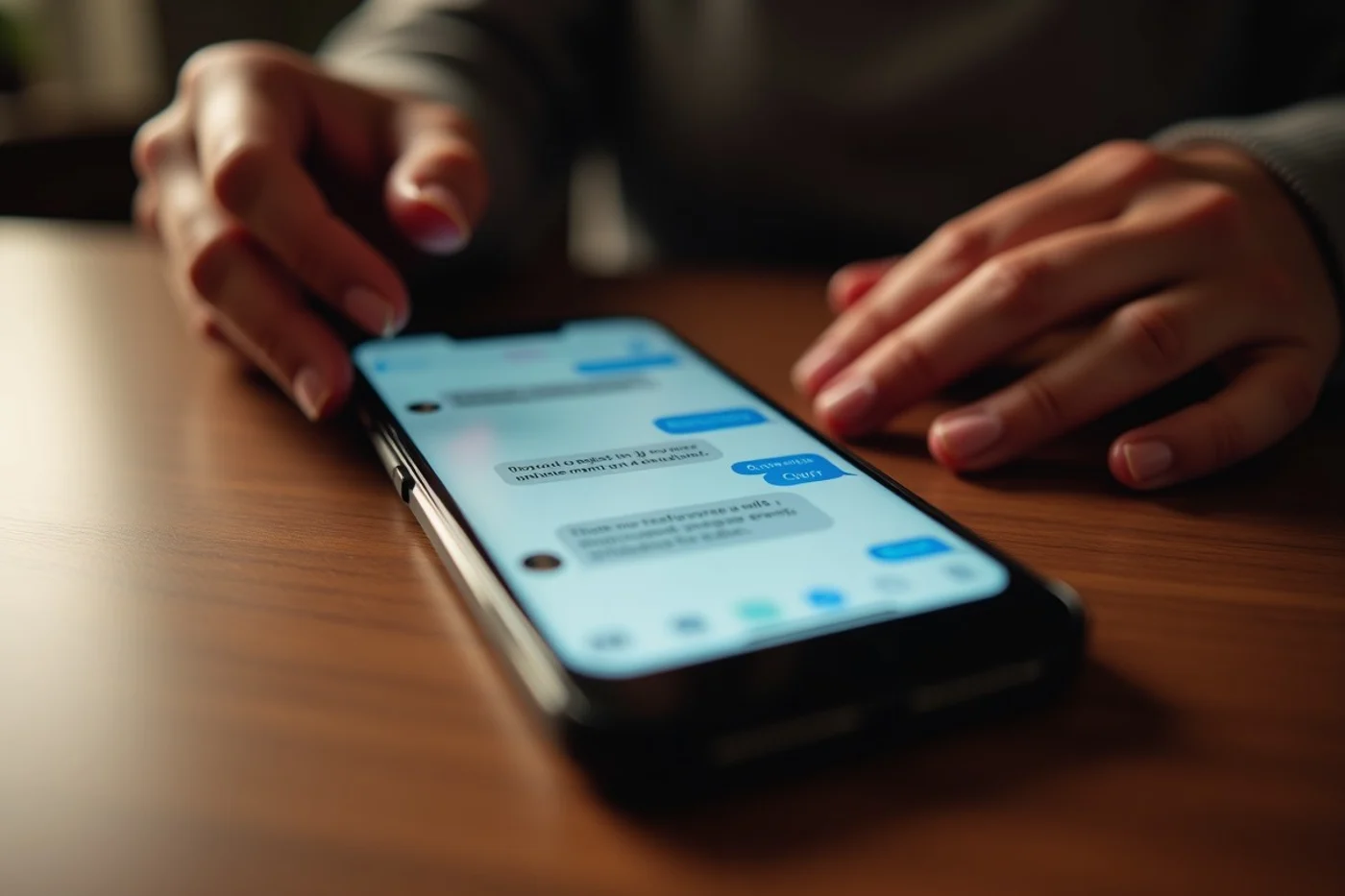
The exchange has gone too far when both people keep explaining what an earlier sentence supposedly meant, send increasingly long defensive messages, or argue over one disputed word. Delayed responses can then look retaliatory: one person waits, the other answers sharply, and each new delay becomes part of the dispute. Two parallel arguments may emerge, with neither person answering the question the other actually asked. Continuing to text adds material for disagreement rather than understanding. Say that the written exchange is no longer helping and set a time to talk.
A Clear Request to Continue the Conversation Elsewhere
Make the request in two parts: name the subject, then offer a real channel and time. Saying that you care about discussing it, that text is making understanding harder, and that you could talk by phone tonight or meet tomorrow shows engagement rather than abandonment. For a less charged matter, name a call and ask whether the other person is free after 7.
Do not use a channel change as a delay with no return point. Someone receiving "I don't want to talk about this over text" still needs to know whether a call, video chat, or meeting will happen. Give the conversation a reasonable time, then arrive ready to answer the question you raised. If the proposed time fails for the other person, ask for another that works for both of you. Offer a path into the discussion, or acknowledge that the message itself is the complete response.
Recognize When Writing Serves the Conversation Better
A written message fits when details need to stay exact, one person needs time to process, or a live conversation would bury the main point under interruptions. Text can also open a serious subject when the relationship is still new: a brief note can explain why you are raising it and let both people decide when to continue. Someone discussing sexual health expectations, for example, may want to state the question plainly before a call so neither person is surprised by its subject.
Length and purpose mark the boundary. A short written explanation that sets out facts or a question can support a later conversation. A running exchange that tries to resolve hurt, decide the relationship, and interpret every pause at once usually creates more confusion. Write the essential point, let the other person respond, and move into a live discussion when the answer needs tone, context, or immediate questions.
Use text to open the subject, arrange the conversation, or record details that need precision. Move to a call, video chat, or in-person talk when emotion, ambiguity, or repeated misreading is driving the exchange. The immediate decision is not which channel feels most romantic; it is which setting gives both people enough time, privacy, and context to answer honestly. Name the subject, propose a channel, and give a time.