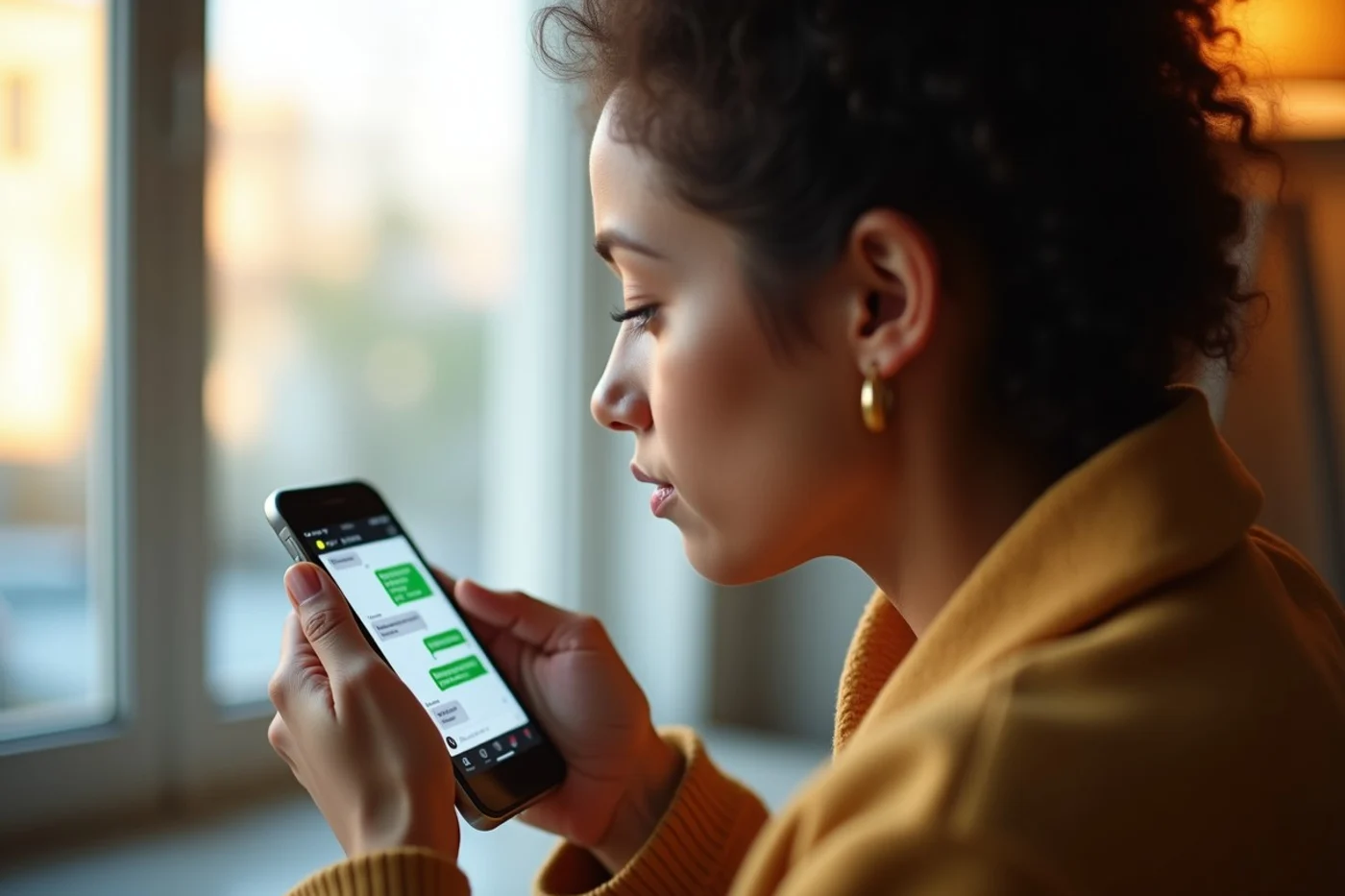
Start calling once texting has become a long exchange, a date needs sorting out, or written messages leave you guessing about the other person's tone. In early dating, a call should add something practical to the conversation, rather than test interest. Suggest one when both of you have stayed engaged and there is a natural reason to hear each other's voice.
Published by Between Dates
When would a call make dating easier?

Texting works well for quick plans and small moments during the day. A phone call can help when messages have stretched across several days without moving things forward, when you want a better sense of conversational chemistry, or when arranging a date has become a string of partial replies. Voice carries timing, humor, and pauses that text leaves flat.
The timing also follows the other person’s habits. Someone who answers in thoughtful bursts but dislikes an all-day text exchange may welcome a short call. Someone who has said they prefer messages deserves a text-based connection for now. A call is a good addition when it answers a real need: clearer conversation, simpler coordination, or a format that suits both people better.
A phone call works best when both people can opt in
Offer a call as a small invitation with a definite time and an easy exit. For example: "Want to talk for 20 minutes Tuesday evening?" A decline, counteroffer, or postponed answer shows how calling fits their schedule; it need not decide what the whole connection means right away.
Before the first call

A rough window is kinder than an unexpected ring. Name a day, give the call a modest length, and let the other person suggest another time. In a hypothetical early-dating exchange, a Tuesday evening call after work could be set for 20 minutes, with the understanding that either person can wrap up when time is up. That detail removes the fear of being trapped in an unknown-length conversation.
A first call need not be a performance or a list of interview questions. Talk about the date you are planning, something already raised in your messages, or what each of you has been doing that week. When the call feels easy, let it run a little longer; when it feels strained, finish politely and decide from the experience whether another call makes sense.
The right channel depends on the conversation's purpose
The subject usually points to the channel. A text suits a time, address, or brief update. A phone call suits a nuanced question, a quick conversation about plans, or a discussion where tone matters but meeting in person would be excessive. A face-to-face conversation belongs to high-stakes subjects, significant uncertainty about the connection, or anything that deserves full attention and privacy.
The other person's stated preference matters as much as the topic. Someone declining calls while continuing to make plans is expressing a format preference; repeatedly avoiding both conversation and plans raises a different question. Ask once, listen to the answer, and choose the channel that lets conversation happen without making contact itself the issue.
Suggest one short call with a day, a time window, and an easy way to decline. Their response will show whether phone conversation suits the connection and their schedule. If they prefer texting, keep the exchange there and judge the relationship by the quality of contact and whether plans happen, not by whether they enjoy the same channel you do.