
Adding someone too early often makes a small online gesture carry more meaning than either of you intended. Add someone you are dating on social media after you have met in person, kept up mutual contact, and reached a level of familiarity that makes the request unsurprising. The account should fit the part of their life they have already begun to share. An online connection marks access to personal material; it does not establish exclusivity or turn a few dates into a relationship.
Published by Between Dates
After you have established regular contact, an online request may feel natural

Several in-person dates and reciprocal contact between them usually remove the surprise. After you have traded messages, made another plan, and learned ordinary details about each other, a request reads as part of ongoing contact. The mistake is using the request to create closeness that the dates have not established.
A request tapped out at a train platform after one coffee carries a different meaning from one sent after you have made plans for Friday and spoken regularly. The first asks for a window into someone’s life before there is much shared context. In the second, the online connection is unlikely to feel like an escalation. Account visibility still changes the call.
Platform intimacy
Not all accounts open the same door. A public profile shows a selected, outward-facing slice of a person’s life. A private account often includes family, old friends, and personal history. A close-friends feed carries a narrower invitation, while a professional network ordinarily sits farther from dating life.
Social media habits matter as much as the platform. Someone who checks a public account every day may see a follow as routine. Someone who posts rarely or keeps a small private account may see the same request as distinctly personal. Notice what they have already shared or mentioned. A profile offered during a conversation lands differently from an account found through a name search.
A social connection should match the pace already established offline
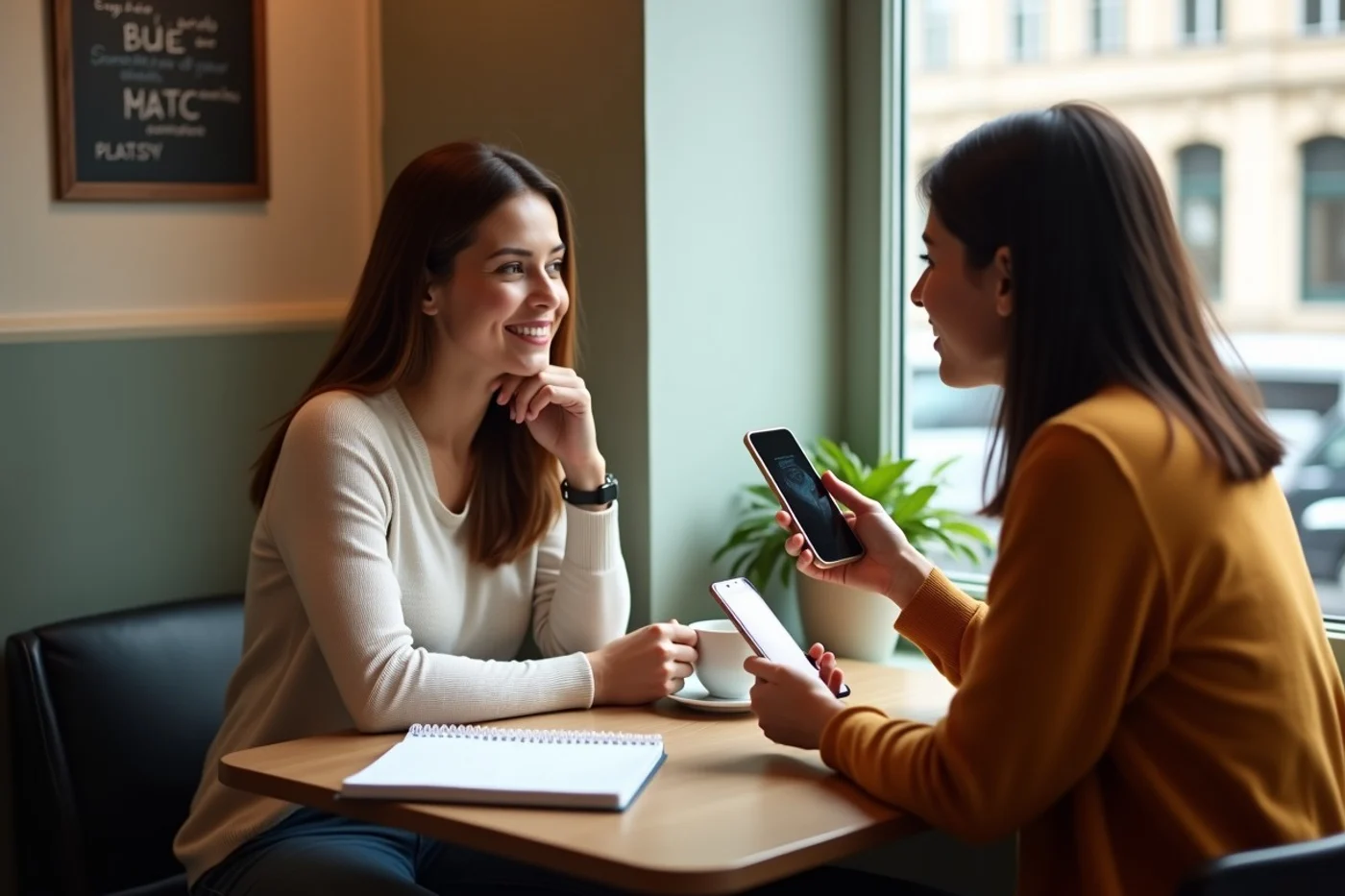
An accepted request changes access, not the status of the dating connection. People often connect online before exclusivity, and some partners never merge every account or audience. It carries no built-in promise about what comes next. The meaning comes from the offline relationship: how often you see each other, whether plans are kept, and whether conversations about the connection are met directly.
Trouble begins when online access is asked to settle questions that still need a real conversation. Following each other after a few dates does not answer whether either person is seeing others, expects a committed relationship, or plans to keep dating. When your interest is growing, look at the calendar and the encounters themselves. Regular time together and reciprocal effort show more than a friend request. Keep the online step in proportion to what is actually happening face to face.
Would asking first make the request more comfortable?
Sometimes a public account has already come up in conversation, and sending a request needs no preface. A private account, a close-friends list, or an account connected to work deserves a brief check-in first. The subject fits an ordinary conversation: ask whether they use social media with people they date and which account, if any, they are comfortable sharing. That wording permits a no without turning the moment into a test.
A declined request needs a brief acknowledgement, with no bargaining, repeat request, or search for an explanation. A delayed response calls for the same restraint. They may prefer to know you longer, or they may keep dating separate from online life altogether. Continue with the contact that already exists offline. When separate accounts become a recurring point of friction, discuss what each of you regards as private and why. The issue deserves that larger conversation only when access to an account has begun to stand in for trust.
One person may welcome online access while the other protects a private boundary
Some people accept follow requests from nearly everyone they meet. Others keep personal accounts for a small circle and prefer their dating life outside those feeds. Those habits often predate the relationship by years. Neither habit proves romantic interest, emotional distance, or a lack of seriousness. It describes how that person uses online space.
The difference deserves a broader privacy conversation when one person reads account access as a required sign of closeness and the other sees it as reserved for family or longtime friends. Talk through what feels too exposed: old photos, family comments, work contacts, or the fact that an account is simply a private space. A refusal to connect online is not a verdict on the dates. It becomes relevant when the person also avoids ordinary questions about privacy, dismisses your stated limits, or uses secrecy to keep the relationship undefined. Until then, respect the account’s limit and assess the connection where it is actually happening.
Before sending a request, look at one thing: whether the account’s level of access matches the familiarity you have built face to face. A public profile after several easy dates often fits. A private or close-friends account calls for more shared history or a short conversation. The governing constraint is not the app’s button; it is the other person’s stated comfort with who gets to see that part of their life.