
After several dates, their account is full of weekend photos and friends, yet there is no sign that they date anyone. Keeping a relationship life private online is not inherently a warning; the question is whether that choice matches an honest, consistent connection away from the screen.
Published by Between Dates
Online privacy

Privacy begins with a stable personal habit. Some people post rarely, keep accounts for work or relatives, or reserve relationship news for a small circle. Their feed looks the same before dating and after; they do not tag partners, stage couple photos, or narrate their private life. That choice says little about their interest. A relationship does not become more real because it appears beside a vacation photo.
Secrecy enters when online limits collide with what they say and do elsewhere. Asking you to hide the relationship from people in their life, dodging a direct question about who knows you are dating, or maintaining a public image that conflicts with an agreed exclusive relationship creates a trust issue. The line is equality and honesty: one shared limit for both people is privacy; a rule imposed on only you, or a story that changes with the audience, is concealment. You need not demand a post to take that distinction seriously when it affects trust and future choices together.
Offline consistency matters more than public display
Choose offline conduct as the evidence when a feed and the relationship point in different directions. Dates that are set and kept, a reply when plans shift, truthful answers about relationship status, and inclusion in the parts of life they have chosen to share carry more weight than a tagged photo.
No post repairs repeated evasions or a refusal to make plans. By the same measure, someone with a quiet account who shows up, speaks plainly, and honors an exclusivity agreement has not withheld the relationship just because it is absent from a profile. Public display is optional; honest conduct is not. The decision is simple: judge the relationship by how it is lived, then discuss any remaining wish for online acknowledgment as its own issue.
Privacy can protect comfort, while secrecy erodes trust
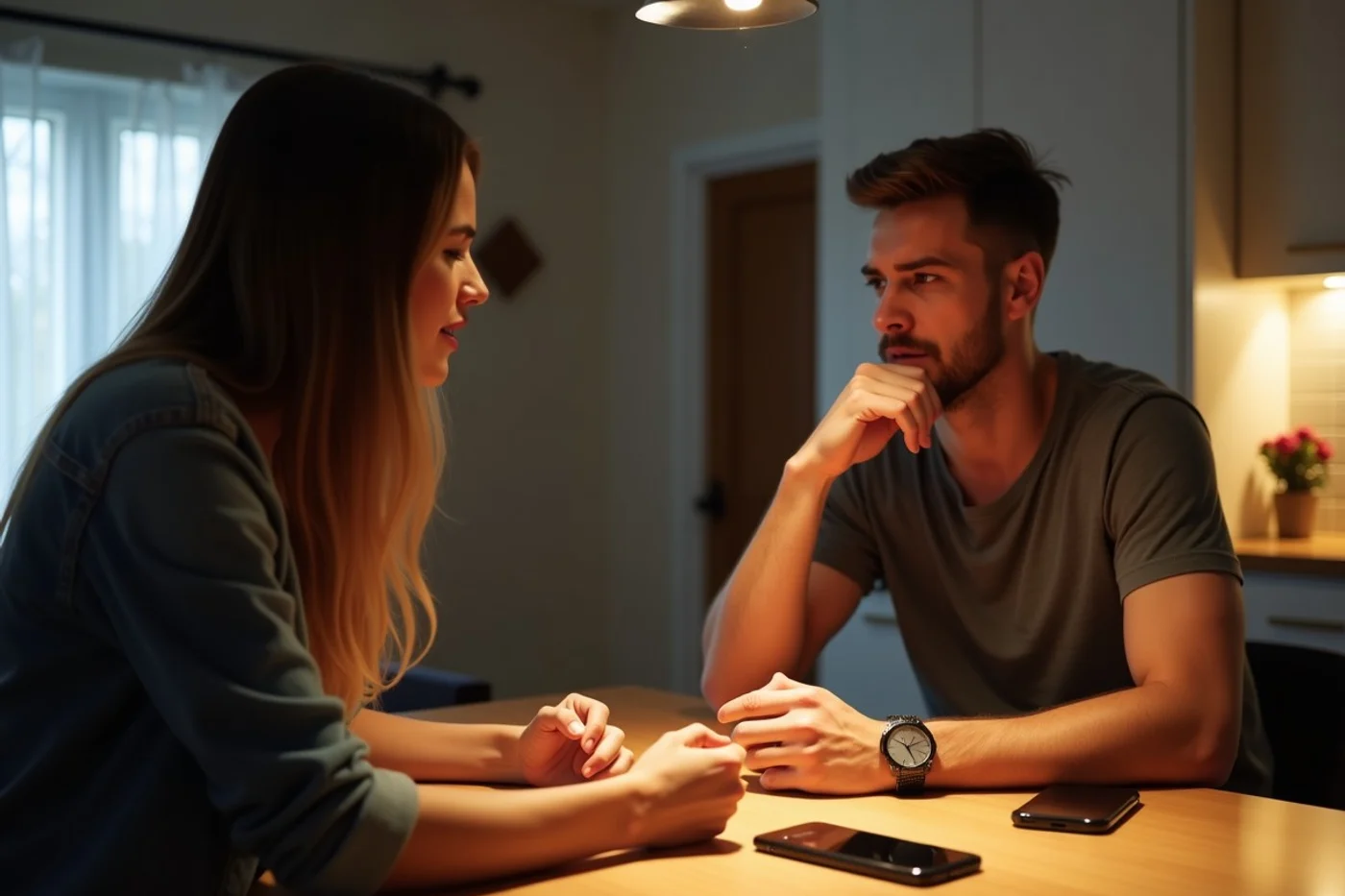
Professional and family contexts often explain a limited online footprint. A public-facing job, a close-knit community, children or relatives who use the same account, and a genuine dislike of broadcasting personal news are all reasons to draw a firm line around posts. Privacy is especially credible when the limit existed before you met and applies to everyone.
Secrecy has a different cost. Denying that you are dating when the subject arises, failing to disclose an existing partner, or insisting that you remain hidden while they expect access to your online life leaves you carrying uncertainty they created. Unequal standards matter here: asking for photos, tags, or public loyalty from you while refusing any honest acknowledgment in return is not a private preference. It is a lopsided arrangement. No one owes the internet a relationship announcement; both people do owe each other the truth needed to choose the relationship freely.
If public acknowledgment matters to you
Public acknowledgment covers more than a post. For some, it means being introduced as a date to close friends; for others, it means not being erased when a relationship comes up in conversation. Separate those needs from a demand for a curated couple account. The first concerns your place in their life. The second concerns content.
When the difference begins to affect how secure you feel, raise it during a calm conversation about the relationship, not in the heat of an argument about a profile. Describe the form of acknowledgment that matters and listen to the reason for their limit. Someone may welcome introductions and decline posting. That answer leaves a basis for agreement. A refusal to acknowledge you anywhere, paired with no believable explanation, tells you the two of you want different terms. Shrinking a central need into a minor preference only preserves uncertainty.
What does a workable online boundary sound like?
Workable online boundaries use specifics. The conversation should cover what each of you posts, whether relationship status is discussed with friends or colleagues online, and what would feel like denial or exposure. Broad promises to respect privacy are too slippery when one partner means no tags and the other means no mention of dating at all.
Your own line deserves equal precision. You might be comfortable with no photos but need to be described honestly if the relationship comes up; you may prefer no public references yourself. The limit and its reason belong in the conversation without turning a post into a test of devotion. The issue is negotiable when both versions of privacy leave neither of you hidden or pressured. Where one wants no public trace and the other needs acknowledgment in shared social spaces, the disagreement is about relationship terms. It deserves a direct compatibility decision, not a campaign to change someone’s account.
After that conversation, use the answer to choose your level of investment. A private account paired with open, reliable conduct needs no rescue mission. But hiding you, denying the relationship, or dismissing a stated need for acknowledgment warrants a firmer response: accept the terms as they are, or step back. Nobody becomes a committed partner through a post; nobody should be asked to disappear to keep dating.