
A weekend photo carousel goes up, complete with friends, food, and a view from the table where you were sitting. Your absence can feel pointed. It usually isn't enough, on its own, to worry about. A post is weak evidence; how they include you in their actual life carries far more weight.
Published by Between Dates
The meaning of an absent social media post
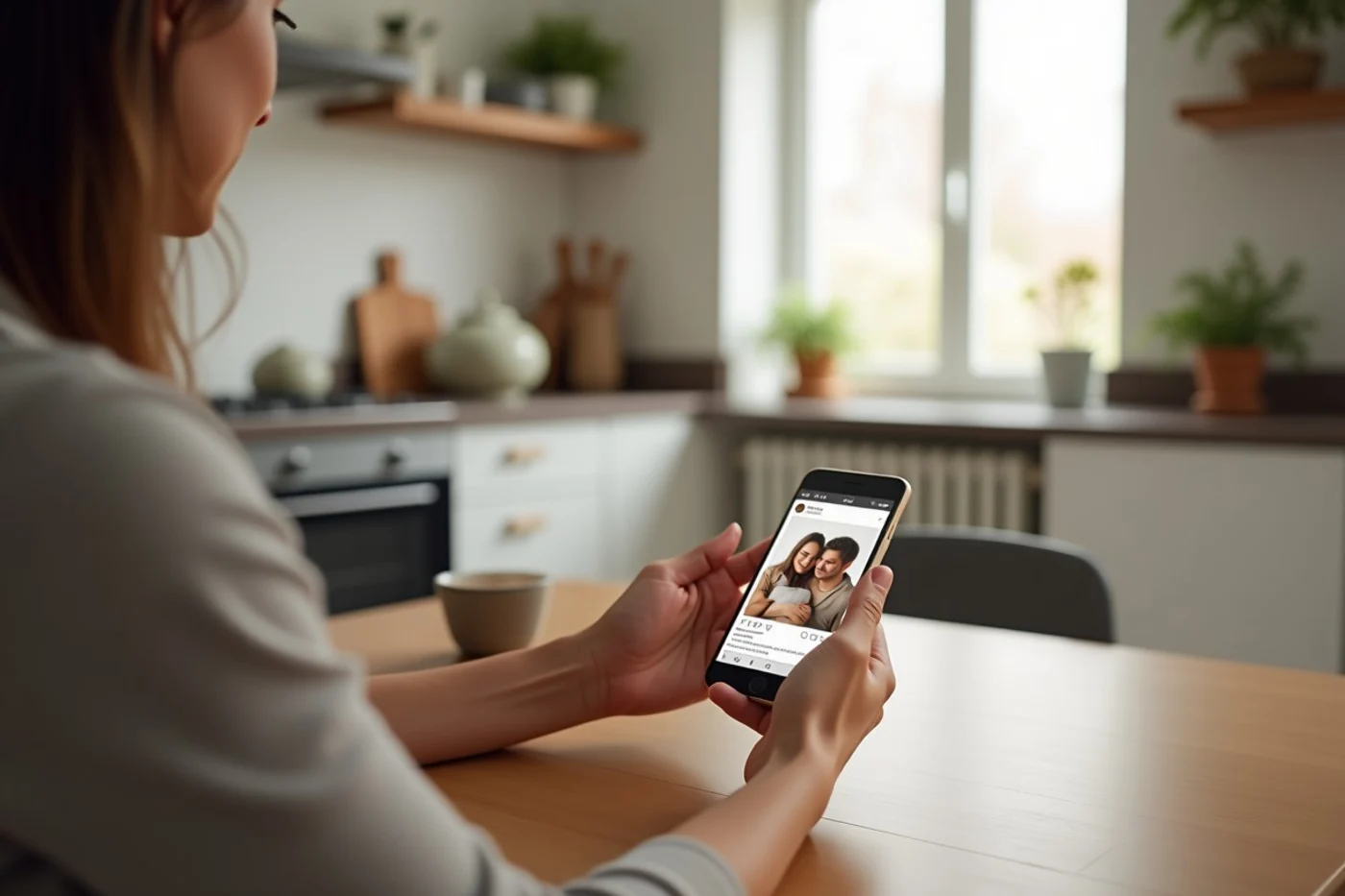
Some people use social media as a scrapbook. Others use it for work, jokes, hobbies, or a narrow circle of friends. A relationship post asks them to place a private connection before an audience that may include relatives, former partners, coworkers, and people they barely know. That choice has social consequences even when the relationship itself is going well.
Early dating also has a built-in awkwardness: two people may be seeing each other regularly while still working out what the connection is. Holding off on a public announcement during that stretch is common and often sensible. Uncertainty, a wish to keep family commentary out of the relationship, or a long-standing habit of leaving partners off a feed all explain non-posting.
The concern begins when absence online supports a larger picture of being kept separate. Deliberate concealment is different from a quiet account. The distinction lies in what they show, whom they acknowledge, and how they behave when the relationship comes up away from a screen.
Posting habits establish the relevant baseline.
Their own feed is the baseline to use. Someone who posts twice a year, shares only landscape photos, or never names friends gives little reason to expect a relationship post. Someone who documents birthday dinners, roommates, weekend trips, and every new interest while leaving out a partner for many months presents a more telling omission. Selective posters fall between those extremes: they may share a fleeting concert story yet keep their grid and profile focused on themselves.
Look beyond the number of posts. Do they mention former relationships but avoid any sign of a current one? Do they share group outings where you appear only when cropped out or unnamed? Those details matter because they show a choice about visibility, not simply a preference for posting less. A feed full of personal life with one conspicuous omission deserves a conversation once the relationship has a defined place offline.
Online privacy and active concealment point in different directions.
| Situation | Online Behavior | What It Points To |
|---|---|---|
| Consistent private account | They rarely post personal events, avoid naming friends or relatives, and have kept past partners off the account as well. | A general boundary around public sharing. A relationship post would not prove more than their usual conduct already shows. |
| Selective social sharing | Friends, family gatherings, trips, and daily life appear regularly, while romantic relationships stay out of view. | A boundary about the relationship that is worth understanding. It may not signal deception, but the reason should fit their wider behavior. |
| Active concealment | They present themselves as unattached, deny seeing anyone, restrict your visibility while featuring nearly everyone else, or remove signs of being together. | This is more serious than a preference for a private feed. It raises a direct question about why public ambiguity serves them. |
After exclusivity changes the expectation
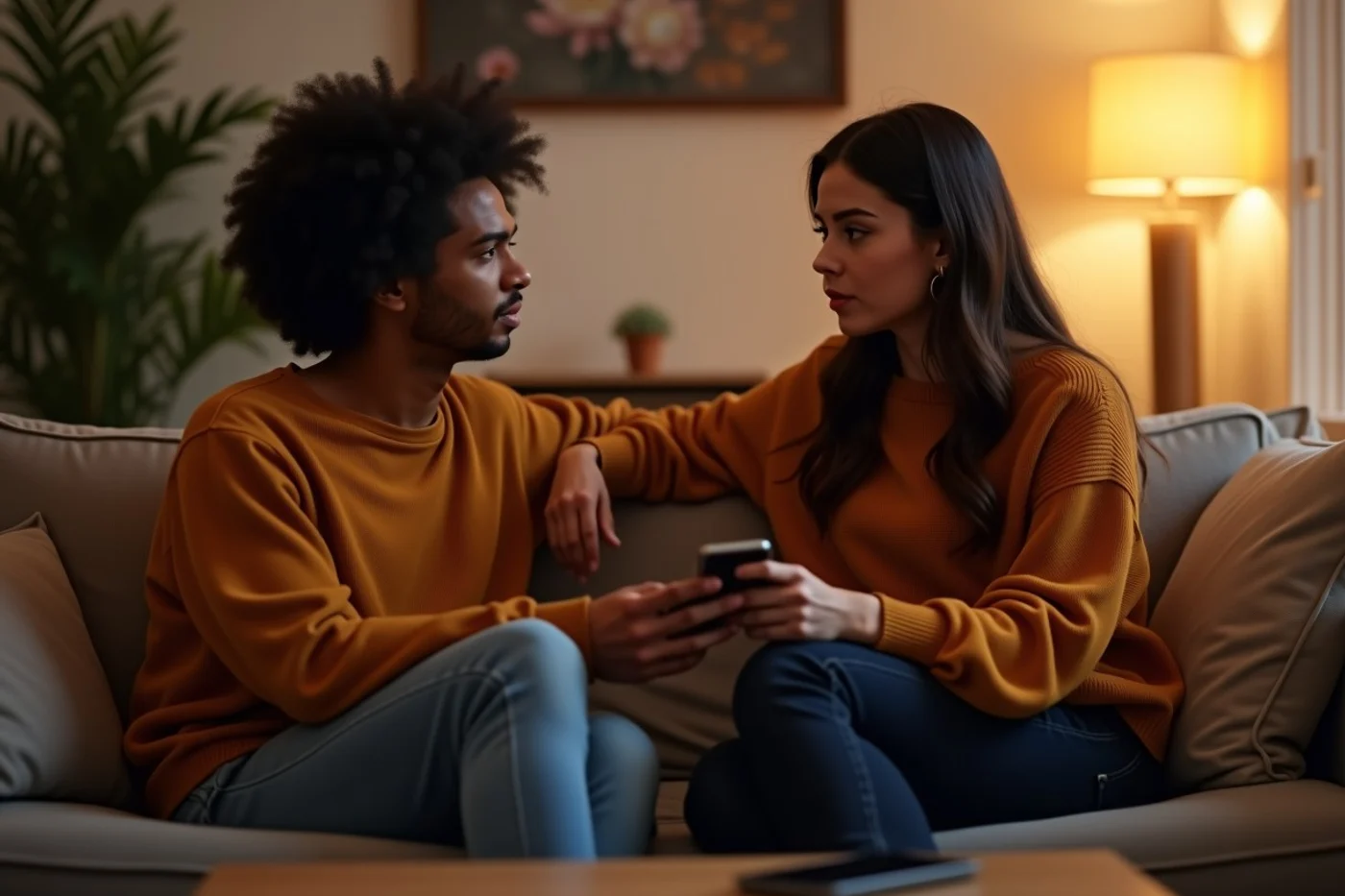
Before exclusivity, public acknowledgment often creates more confusion than comfort. A photo does not define the relationship, and many people rightly avoid making a few dates public. During that stage, focus on whether plans happen, conversations deepen, and both of you make time to see each other.
Exclusivity changes the conversation because it settles a question social media often leaves fuzzy: are other potential partners still in the picture? That does not create an automatic duty to post a couple photo or change a profile. It does make it fair to discuss what public acknowledgment means to each of you, especially when one account still broadcasts single life. Raising it brings hidden assumptions into view. The cost is a brief uncomfortable conversation, far easier than building a committed relationship around incompatible expectations.
What exactly do you want a post to communicate?
Wanting a post rarely means wanting a photograph alone. You may be looking for confirmation that they are proud to be with you, a public cue that they are not seeking other dates, inclusion among the people they value, or relief from seeing other couples displayed online. Those needs point to different conversations.
Public acknowledgment cannot repair a private relationship that feels uncertain. If you need more confidence, name the action that is missing: steadier plans, a settled label, introductions to friends, or an honest answer about dating other people. If comparison is driving the worry, a post may settle it briefly while leaving the deeper concern untouched.
A hypothetical example: Jordan wants a tagged photo after becoming exclusive. After thinking it through, Jordan realizes the sharper concern is that Casey has not introduced them to any friends and still describes weekends as solo plans online. The discussion shifts from one image to whether Casey is bringing the relationship into their life at all.
Raise the issue without demanding public proof
Bring it up when the relationship is calm, not immediately after scrolling through a post that stings. Describe what you noticed, ask how they generally handle posting partners, then explain what public silence has come to mean for you. That order invites a real answer while keeping the subject tied to the relationship rather than to winning a dispute over an app.
Listen for specifics. A settled preference sounds different from evasion, irritation, or a vague promise to handle it later. Their explanation should also match the account you can see and the way they include you offline. A post is not a commitment test; a straightforward conversation about visibility reveals much more.
Patterns that make non-posting more concerning
Concern grows when online absence sits beside a relationship that is hidden in person. They keep plans secret, refuse to introduce you to anyone after the relationship has become established, use shifting labels for you, or become tense about being seen together in familiar places. Private messages suddenly closed or hidden add to that picture, particularly when they expect access to yours.
One missed introduction or an account with no couple photos does not settle anything. Several actions pointing in the same direction do. Then the question becomes more than why they have not posted. Are they willing to give the relationship an acknowledged place in the life they are living? Defensiveness does not answer that question; clear actions do.
Keep social media in its proper place: a public display, not a dependable scoreboard for commitment. Compare their account with its own history, then weigh it against invitations, introductions, plans, and an honest relationship label. When those pieces clash, raise the conflict directly. A post that appears only after an argument offers less comfort than a relationship that no longer needs one.