
The hard part usually isn’t the phone call itself; it’s the interruption, the missed call, or the sense that one person must always be reachable. This difference works when calls become invitations with a place in your week, while texts cover everyday logistics and brief contact. A ringing phone isn’t a summons. Treating unanswered calls as rejection turns a small habit difference into an exhausting test.
Published by Between Dates
When they call spontaneously and you prefer advance notice
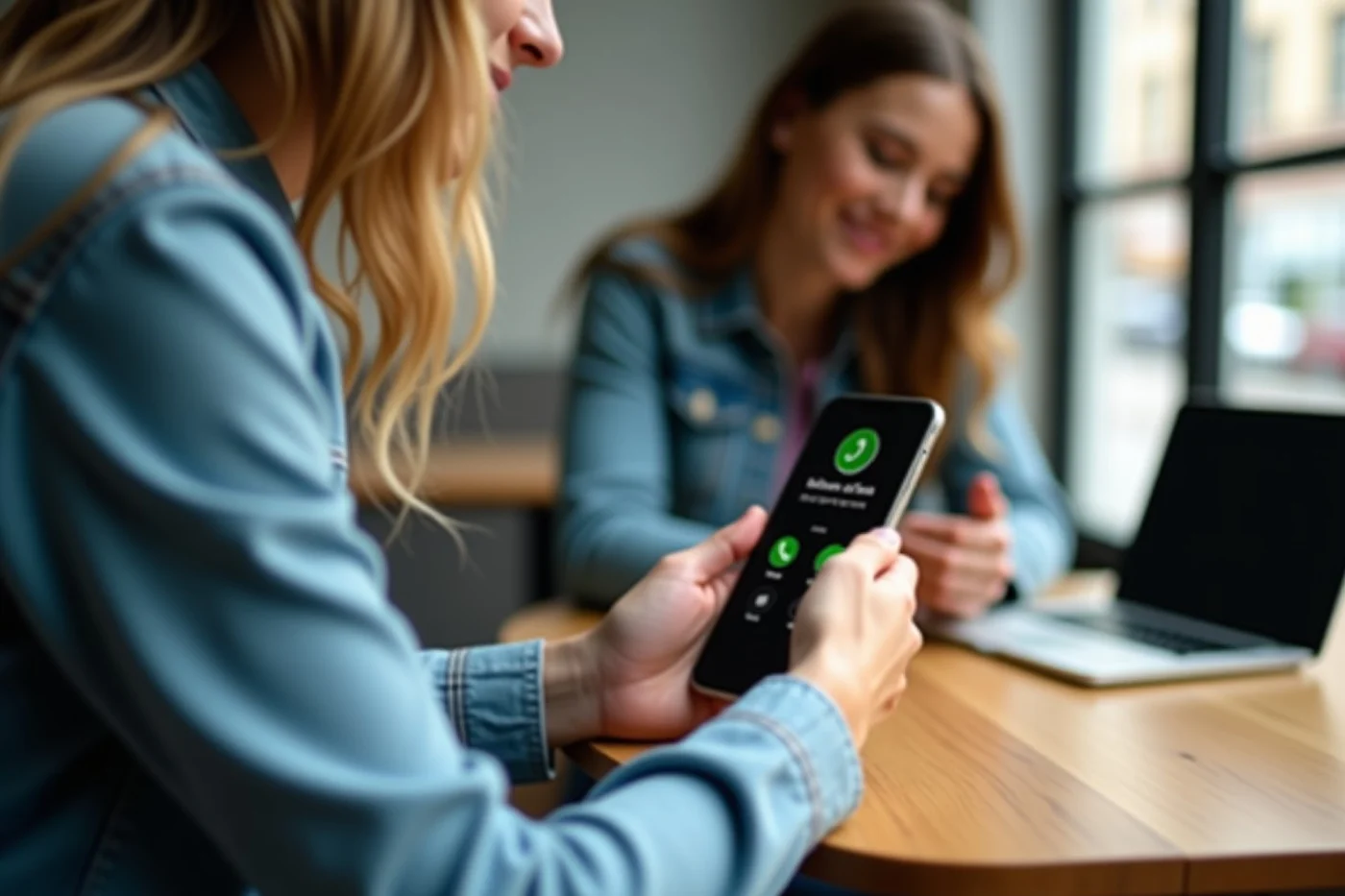
An unexpected call is not automatically intrusive, and declining one is not automatically cold. Some people reach for the phone when they have a thought, a break between errands, or ten minutes on the drive home. The receiver may be working, with friends, decompressing, or simply unprepared to switch into a live conversation. Neither preference needs a moral verdict.
Reply when you see the call and name a time that actually suits you. "Just saw this—I'm not free to talk now, but I'm around after 8" accepts the contact without giving up your evening. If you have time but not much of it, say so before answering. A declined call with no return contact can feel dismissive after a while. A prompt reply with a real alternative shows that timing, rather than interest, caused the missed connection.
The needs behind calls and texts
Phone callers often want tone, quick back-and-forth, and the feeling of having someone’s full attention for a few minutes. They may find a long text exchange choppy or prone to misunderstanding. Texting serves a different part of life: it lets someone answer between meetings, think before responding, save a thought for later, and stay in control of their own evening. Neither medium reveals more care on its own.
The trouble begins when a preference gets mislabeled. Calling alone cannot show that someone is more serious, just as texting alone cannot show detachment. Judge the exchange by whether the caller accepts a missed ring and whether the texter responds enough to keep plans and connection from going stale.
A workable rhythm protects both connection and daily life
Vague expectations create most of the irritation here. One person assumes a missed evening call will be returned that night; the other assumes a text reply the next morning is perfectly fine. Each then reads the other’s behavior through their own habit. A brief conversation about availability removes that needless guessing.
Name the parts that affect daily life: work hours, family time, bedtime, commuting, and the times when a call feels welcome. Then describe the contact that feels good between dates. One partner might want a short call a few evenings each week, while the other prefers texts during busy days and a planned conversation after dinner. Identical habits are unnecessary. The arrangement still has to be one both can keep without feeling monitored or sidelined.
How often and how long should calls be?

- Circumstance: Newly dating with full schedules Call Plan: One or two planned calls during the week, plus texts for plans and brief updates Benefit: There is enough live conversation to learn how you relate without turning every evening into an appointment. Watch For: Calls that regularly stretch far past the agreed window signal that the duration needs discussion.
- Circumstance: You see each other often and enjoy talking between dates Call Plan: Shorter calls on available evenings, with longer conversations only when both have time Benefit: Frequent contact feels connected without consuming the time reserved for sleep, friends, and work. Watch For: One person quietly answering out of obligation.
- Circumstance: One person needs more live conversation Call Plan: A planned call plus voice notes or texts on other days Benefit: The caller gets dependable contact, while the texter retains control over unscheduled time. Watch For: Treating every quiet day as a problem to solve.
Planned calls and spontaneous check-ins serve different needs
At 6:30 p.m., a planned call has a different meaning from a phone that rings out of nowhere at 2:00 p.m. Scheduled conversations give both people time to finish dinner, leave work, or get somewhere private. They suit longer talks and topics that deserve attention. The limitation is obvious: a calendar-like routine can feel stiff when every call has to be booked days ahead.
Brief spontaneous check-ins preserve some ease. A caller who texts first—asking whether this is a good time for five minutes—gets an answer without putting the other person on the spot. A missed call followed by a message works too. Over time, the pair may decide that calls during a lunch break are welcome while evening calls need notice. That clear agreement says how to stay connected; it does not measure who cares more.
Signs the mismatch is logistical—or a deeper compatibility issue
A logistical difference looks like this: calls come at inconvenient times, but the caller adjusts after hearing your schedule; the texter answers later, but returns the call or proposes another time. The arrangement improves once both people know the boundaries of the other’s day. Early dating contains enough uncertainty already. This part should not require recurring arguments.
The concern is deeper when missed calls bring guilt trips, repeated ringing, anger, or demands for an immediate explanation. It is also a poor sign when every request for a planned call is brushed aside, or when one person refuses any live conversation despite saying they want a closer connection. Resentment matters too: if calls feel like an obligation to one person and texts feel like neglect to the other after a fair trial, the mismatch is no longer about a scheduling habit.
Propose a two-week hybrid routine
- One or two planned calls
- Texts for daily logistics and small contact
- Call invitations before unscheduled conversations
- Voice notes as an optional middle ground
- A brief review after the trial
Don’t turn this into a contest between phones and texts. Agree on a small routine, give it two weeks, and judge it by what actually happens in your lives. Someone who values calls should respect an unavailable moment; someone who favors texting should accept live connection when it matters to the other. When neither side will bend, treat that as meaningful information.