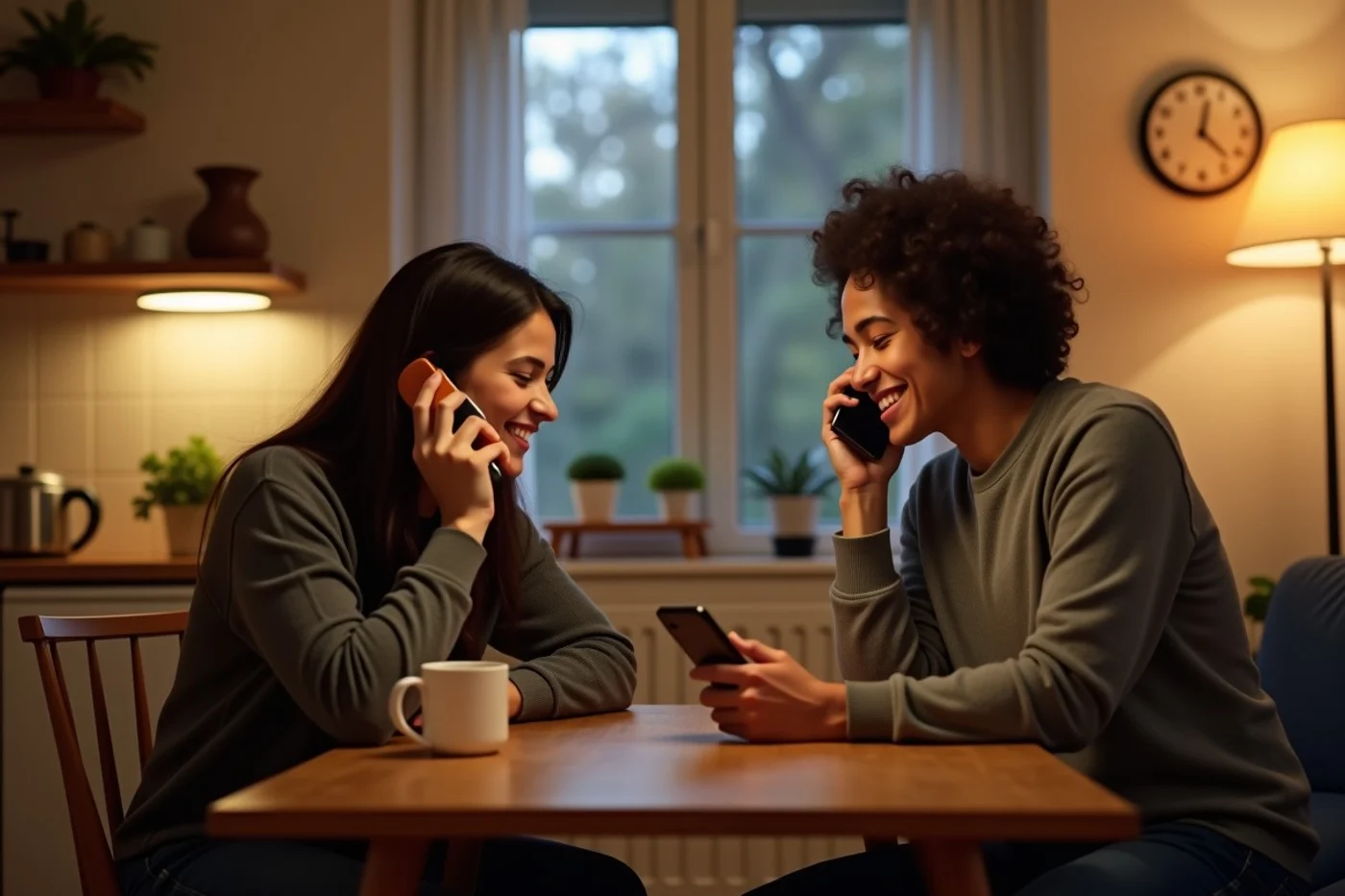
A first phone call does not need to fill an evening. For adults dating across the United States, 15 to 30 minutes is a comfortable first-call window. Twenty minutes is enough. No stopwatch is needed. A call that starts after Tuesday dinner and ends before an early workday can feel attentive without taking over the night.
Published by Between Dates
Early dating calls work best before either person feels trapped.
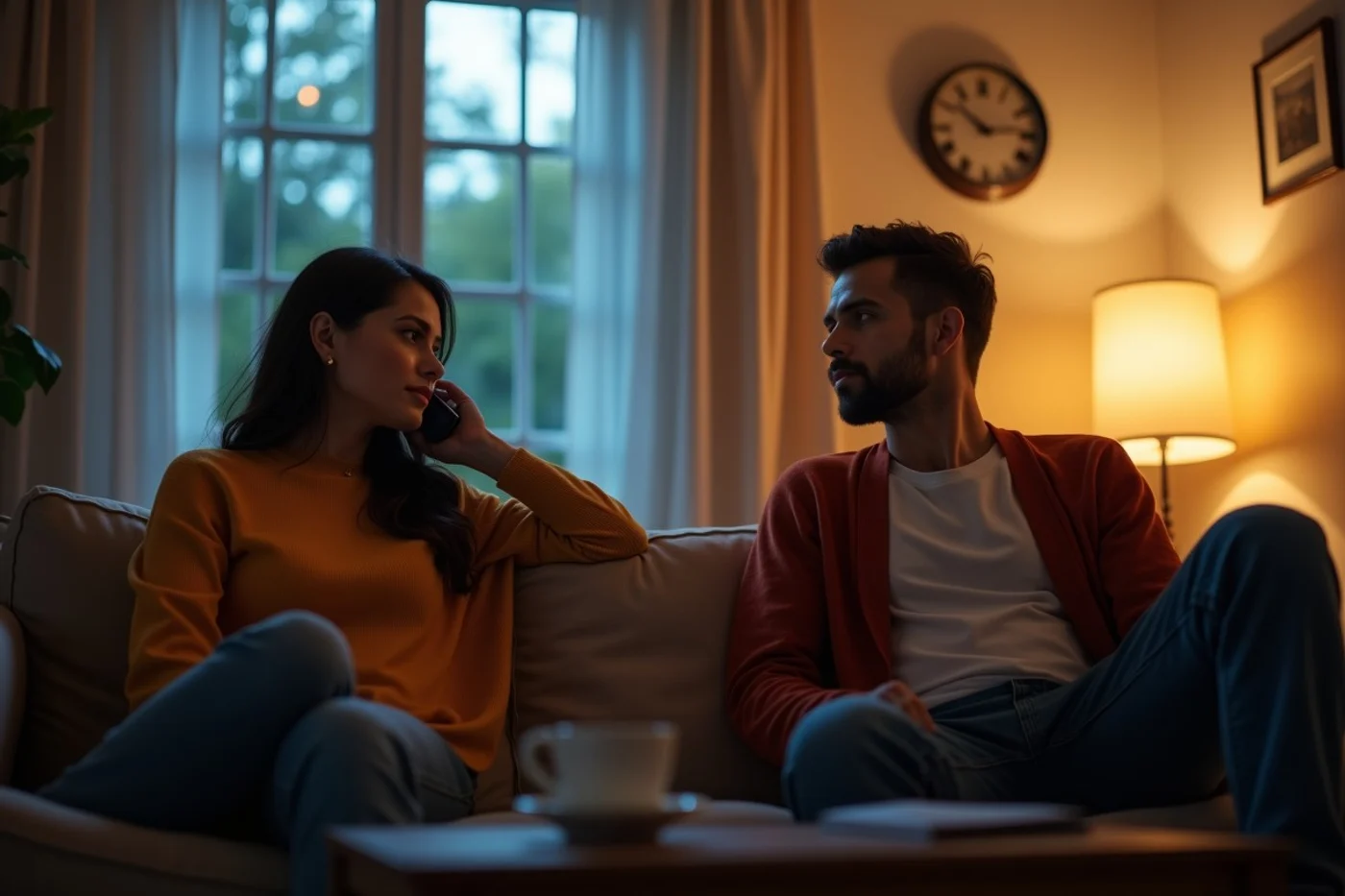
Early calls carry a quiet hazard: politeness can stretch a decent conversation past its natural end. Fifteen to 30 minutes gives both people time to settle in, exchange more than surface details, and notice whether talking feels easy. A call ending while both people are still alert lands better than one dragged into yawns, distracted replies, and long silences.
The number is a starting point, not a test. Some conversations reach a natural close in 12 minutes; others earn another half hour because both people are engaged and neither has somewhere else to be. In the United States, work schedules, commutes, and time zones often put a real edge on an evening call. Respecting that edge shows better judgment than trying to prove interest by staying on the line.
How long should the first few calls last?
Weeknight timing changes the answer. Across the United States, an 8:30 p.m. call means something different for two people separated by time zones or facing early shifts the next morning. The purpose of the call should set its rough length. A quick check-in needs five to ten minutes. Making plans usually takes about ten minutes, plus a little conversation once the date is settled. A call meant to get acquainted deserves a clearer block of time, often 20 to 30 minutes for the first few attempts.
Longer calls are fine when both people chose the time and the exchange stays lively. Forty-five minutes is not excessive on a relaxed evening; an hour that runs into bedtime on a work night often is. Calls arranged around a shift, a commute, or sleep benefit from an expected endpoint before either person is tired. That small bit of structure prevents one person from wondering when it is acceptable to leave.
When the conversation flows past the planned stopping point

An expected end time stops mattering when both people keep bringing up fresh details, responding fully, and sounding present. Continuing then feels welcome. The other direction is plain: repeated pauses, multitasking, fading answers, or reminders about an early morning mean the call has reached its end. Finish while the tone is still good. Extending a call after attention has gone flat rarely creates closeness; it mainly turns a pleasant conversation into a chore.
Natural ways to close the call
A graceful close needs no polished exit line. Mention that you enjoyed the conversation, state a real constraint when one exists, and leave future contact open without assigning another call on the spot. Saying you need sleep because you need sleep is warmer than searching for a clever excuse.
When there is no pressing reason to leave, a straightforward thank-you and goodbye is enough. Promising a call tomorrow when neither person has discussed it creates an unnecessary obligation. The cleanest ending acknowledges the time together and lets the next conversation arise through ordinary contact or an agreed plan.
Treat the length of a call as information about that evening, not a verdict on the connection. The better choice is the one that leaves both people able to return to their night without relief or resentment. After a few calls, let the time expand only when it repeatedly happens because neither person is trying to get off the phone.