
Imagine a text exchange that has gone on long enough that a funny story now needs several messages to land. Ask whether they’re up for a brief call, name a time that suits you, and leave texting or another time open; that makes the invitation feel like an option, not a summons.
Published by Between Dates
A low-pressure invitation leaves room for an honest answer
An invitation that checks whether a call suits them treats the phone as a choice, not a test of interest. That distinction matters. Calls interrupt things. Someone may be commuting, with friends, working, or simply happier writing than speaking. A sudden ring requires an immediate decision; a brief text invitation lets them answer when they have a moment and state a preference without having to explain it.
The difference is tone. Asking whether they are up for speaking, with a suggested window and an easy alternative, says the call is welcome but not owed. Framing it as urgent, or ringing repeatedly after no answer, turns a small suggestion into an awkward demand. Early dating already contains enough guesswork.
A yes shows that a phone call fits their day and current comfort with you. It doesn’t prove a deeper level of interest, just as a decline doesn’t erase good dates or engaged texts. Read the reply for what it addresses: the call. Their conduct over time answers the larger question.
After a text exchange develops natural momentum
An active exchange supplies a reason for the suggestion. It often comes after you have settled a date, traded several messages about one subject, or reached a story that is clumsy to type in fragments. The invitation then follows the conversation already happening; it doesn’t arrive as a demand that they stop what they’re doing and answer.
A request after a long gap has a different feel. With no recent exchange to anchor it, a phone call may seem abrupt, especially before you have met. Reopen the text conversation first, then see whether it gains some life. After plans are made, a brief call also has a natural place: it can settle a small detail or extend an enjoyable exchange, not replace the date itself. A quick transition from typing to talking feels less formal in that setting.
Low-pressure invitation examples for different dating stages
For a first call, keep the invitation short and specific. Ask whether they are free for ten minutes later that evening, and let them know texting is fine if a call feels too soon. Give them an easy way to choose.
After one or two dates, attach the idea to something already under discussion: a plan you have just made, a film you both mentioned, or a story that has become a chain of long messages. Invite a brief call after dinner and make another night welcome. Later, when calls have become familiar, a spontaneous check-in works during a live exchange: ask if now suits them, while leaving text as the easy fallback. Each version accounts for familiarity and timing without making the call sound like a milestone.
Spontaneous calls offer immediacy, while scheduled calls offer predictability
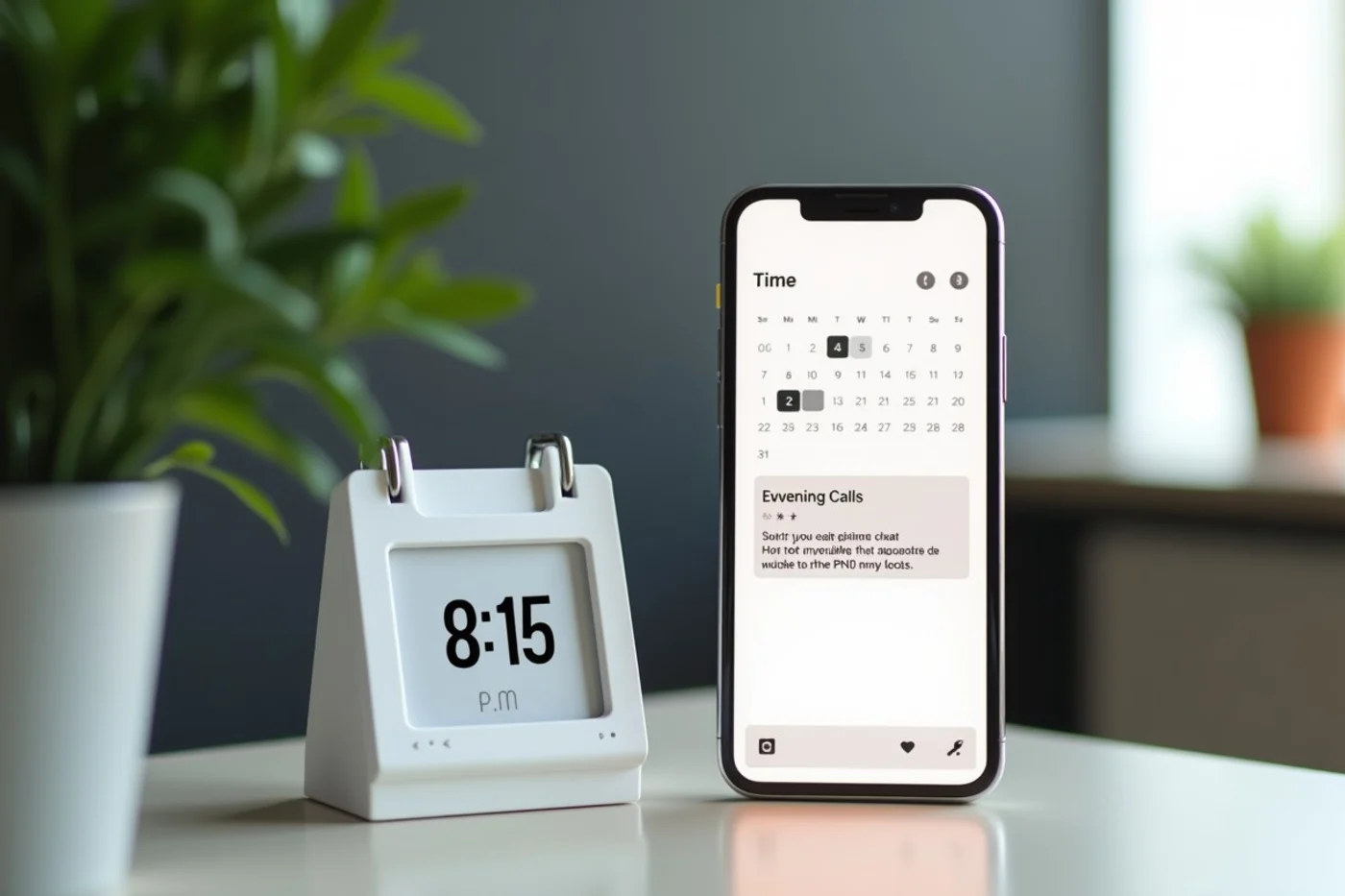
At 8:15 p.m., when both phones are already active, a quick call often feels easy to fit in. One choice asks about a call now, while the exchange is lively; the other names a later window. The first suits an easy back-and-forth and people already comfortable speaking without much setup. The second fits crowded evenings, work shifts, shared housing, or someone who likes notice before a call.
A scheduled invitation carries less ambiguity because both people know when the phone will ring. It also avoids the familiar problem of asking to call now and getting silence because their phone is in a bag, on a table, or face down during dinner. Spontaneity works when the moment is already there. A planned slot works when the day needs one.
Offer a clear time window
- Choose a real opening
- Set a modest endpoint
- Invite an alternative
Their response shows call comfort, not their entire level of interest
Acceptance is straightforward: they are willing to take the call in the proposed window. An offered alternative is also a solid answer, since it turns a conflict into a plan. Neither response measures the entire connection. Some people enjoy dates and dislike phone calls; others like a long call but never turn that warmth into a date.
Vague hesitation leaves less to work with. A reply that pushes the idea to later, without a day or a return to the subject, shows that a call is not being taken up now. A direct refusal tells you even less about romance and more about their preference or their wish to keep distance at this stage.
Look across what happens afterward: do they keep texting, accept dates, suggest plans, and show curiosity about your life? Repeated vagueness across calls, messages, and plans deserves attention. One declined call does not.
What if they would rather continue texting?
A preference for texting needs no debate. Reply warmly that text works for you, then carry on with the conversation. A scheduling conflict calls for the same calm response: acknowledge it and leave it to them to name another time if they want one.
A direct no calls for closure, not a second pitch. Once someone has said they would prefer to text, wait for them to raise calling or keep the connection in the medium they chose. Repeated invitations after hesitation turn a simple request into a burden. If phone contact is important to you and texting never feels sufficient, that difference is worth noticing early.
The fork is simple: when the exchange is warm and you have a real opening, offer a short call with a time attached. When they prefer texts, decline without a new time, or keep sidestepping the idea, leave the phone alone and judge the connection by whether conversation and dates still move forward.