
When you do not want another date, send a short text that thanks the person for meeting you, states that you do not want to continue dating, and closes the exchange without suggesting a future possibility. That is kinder than disappearing and more honest than offering a vague excuse. After one or a few dates, texting fits the amount of shared history. A call becomes more fitting when the connection has grown substantial or your lives are tied together in practical ways.
Published by Between Dates
Ending-message essentials

A sound ending text has three parts: acknowledgment, a firm decision, and a respectful closing. Acknowledge the time you spent together without overstating the connection. State that you do not want to continue dating. End with basic goodwill, not an opening for another romantic conversation.
The decision needs to stand on its own. You are informing the person that dating will end, not submitting a case for discussion. The wording should leave no question about whether they need to persuade you, wait for you, or suggest a different kind of date.
Brief, direct texts reduce false hope
A long explanation often feels kinder to the sender than to the recipient. Listing every awkward pause, annoying habit, or small disappointment turns an early ending into a personal critique. It also gives the other person several points to challenge, explain, or promise to change.
A short reason is enough when one is needed: the romantic connection did not develop, or you realized you are not interested in continuing. That level of detail communicates the decision without pretending to deliver a complete diagnosis of the match.
Ambiguous wording creates a different problem. Saying that you are busy, unsure, or not ready when the real decision is final leaves room for another invitation. The temporary discomfort of being direct is smaller than the confusion created by a message that sounds like a postponement.
Kindness is not the same as leaving the door open
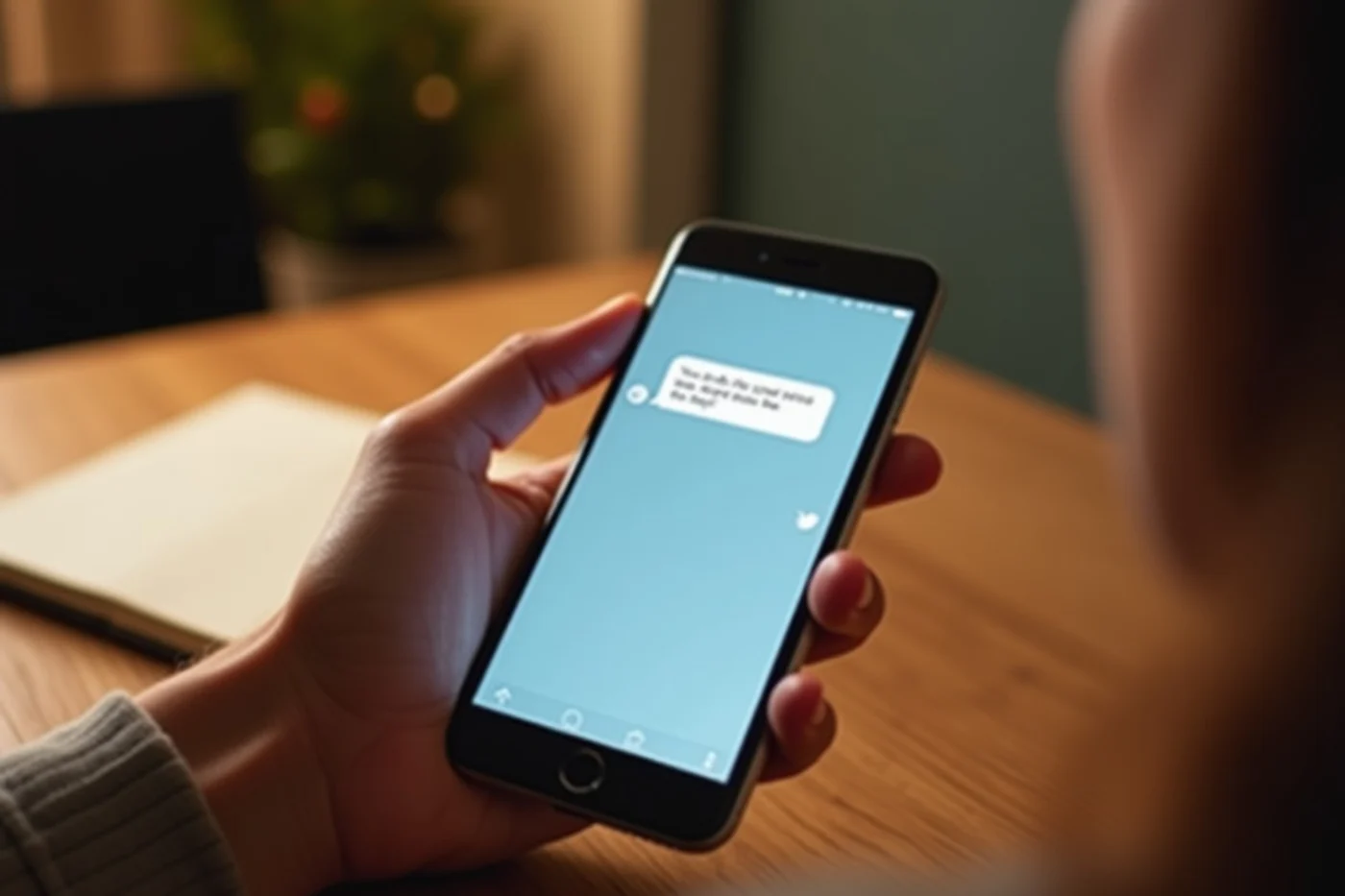
Warmth belongs in the tone; uncertainty does not belong in the decision. A respectful message recognizes the person and the time you shared. It does not promise to reconnect, suggest staying in touch, or hint that a future date remains possible when you have already decided otherwise.
This distinction matters because friendly language carries different weight after dating. An affectionate closing, an invitation to check in later, or an offer to remain a possibility can sound like continued romantic interest. Remove those phrases when they do not reflect what you want.
The other person may feel disappointed even when the message is gracious. That reaction does not mean the text was unkind. Kindness here means refusing to create another round of hope, planning, and uncertainty.
After only a few dates, a text can be appropriate
A text is generally suitable after one date or several early dates when the relationship exists mainly through scheduled meetings and messages. It gives the other person a direct answer without creating a more intense conversation than the connection warrants.
A phone call or in-person conversation fits better when you have built substantial shared history, made practical commitments together, or developed a regular relationship beyond early dating. The amount of contact and responsibility between you should guide the channel. Do not arrange an elaborate conversation simply to make a brief dating connection seem more significant than it was.
Replies that signal the boundary is not being accepted
Some replies seek a different outcome rather than acknowledging the ending. The person might argue that the problem is fixable, ask for another chance, demand a more detailed explanation, or treat your decision as a misunderstanding. A thoughtful response from them is welcome, but agreement is not required for the ending to be valid.
Restate the decision once, briefly. Acknowledge that they are disappointed, repeat that you are not continuing the romantic connection, and close the exchange. Do not add new reasons to strengthen the case; each extra explanation creates another subject for debate.
After that, stop engaging with attempts to negotiate. Silence is appropriate when the same request keeps returning. Continuing to defend a personal decision turns a clear ending into an ongoing exchange, which is precisely what the original message was meant to prevent.
Write the text while your decision is settled, then read it once for two things: does it clearly end dating, and does it avoid a future invitation? Remove extra criticism and any excuse that sounds temporary. Send the finished message, answer one reasonable reply if needed, and do not reopen the decision to ease the momentary discomfort.