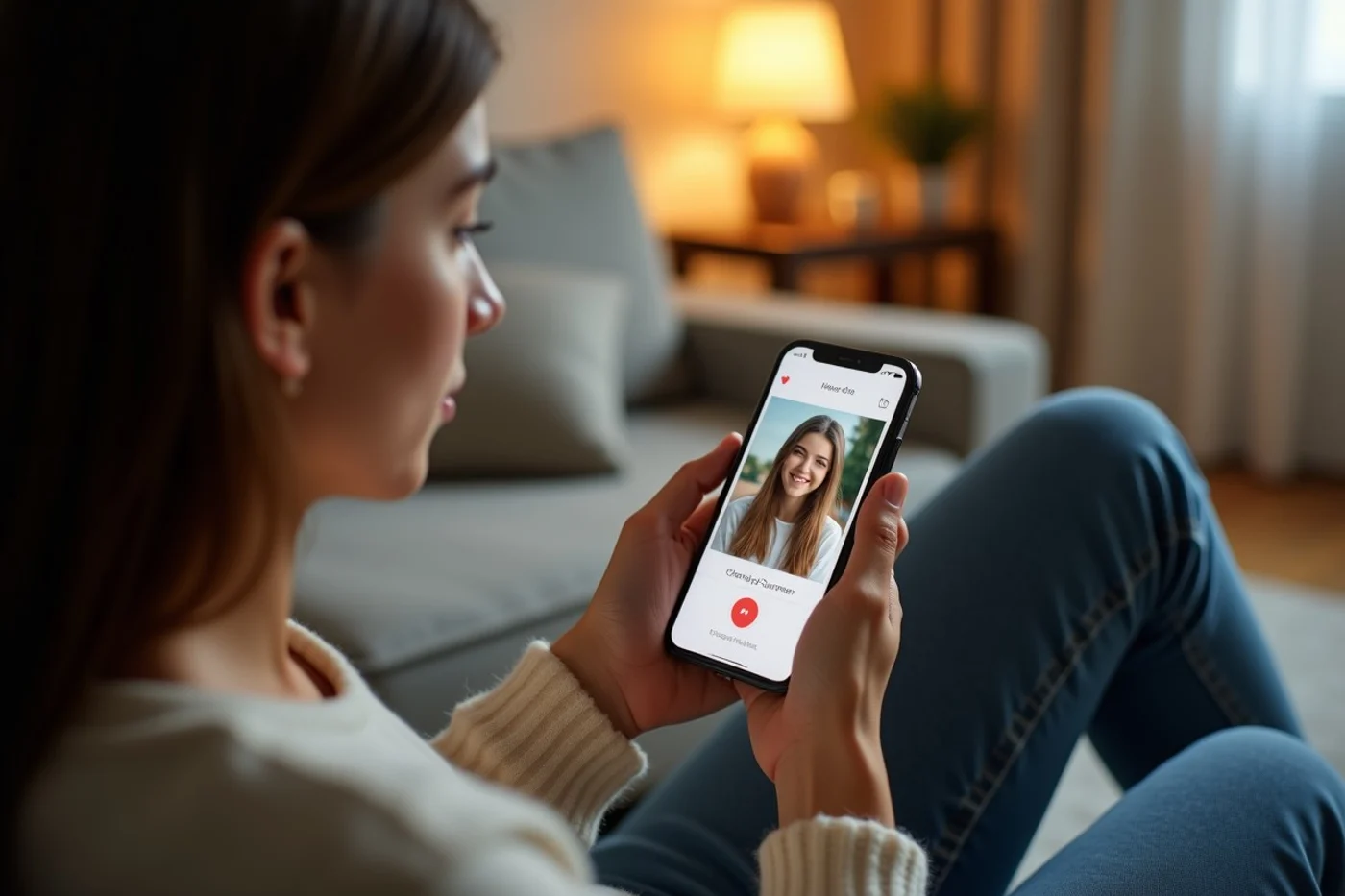
Usually, yes: one like on an older post is a normal sign of curiosity when you have already started talking or dating. A run of likes from years back tells a different story. It puts your profile browsing in front of them and can make a small connection feel watched before it has had time to develop.
Published by Between Dates
Could liking old posts send more meaning than you intend?

A single like on a photo from last summer often reads as simple interest. You saw it while looking through their profile, found it appealing or relevant, and reacted. Most people understand that a new date will glance at a public profile. The meaning changes when notifications arrive from several old posts in a short stretch, especially posts from years ago. That sequence advertises a long scroll more loudly than affection.
Interest lands more cleanly through the connection already underway. Like a recent post that relates to something you have discussed. Mention a shared interest when it comes up in conversation. Make plans and show up. Those actions reveal more than a cluster of hearts on old vacation photos, college pictures, or family milestones.
A light interaction usually fits better than a deep scroll
| Interaction | Likely Reading | Best Fit |
|---|---|---|
| One like on a recent post | A casual acknowledgment of something currently in their orbit. | Before meeting or after an early date, when you already follow each other and have exchanged interest. |
| One like on an older post tied to a shared hobby or place | You spent a little time learning what they enjoy. | After conversation has moved beyond introductions and the subject has a natural connection to what you know. |
| Several likes from the same older period | Your profile visit has become the event. | Usually not a good fit in the first stages of dating, even on a public account. |
| Repeated engagement with old personal posts | Attention that feels heavier than the relationship has earned. | Leave it alone, particularly when the account is sparse or the posts involve family, former relationships, or private life. |
After a first date, small signals carry different weight
The same tap on an old photo lands differently on Tuesday night before a first meeting than it does after several dates. Before meeting, an old-post like can feel premature because you have little shared context beyond a profile and messages. After one pleasant date, it is still a noticeable gesture, though one older like is unlikely to carry much force on its own.
Regular dating changes the backdrop. When you already talk about work, friends, interests, and weekend plans, an occasional reaction to something older folds into an established exchange. Once mutual interest is plainly present, social media activity loses some of its charge. It still does not turn a deep archive scroll into a romantic gesture. Familiarity softens small actions; it does not erase the difference between noticing a post and working through someone’s digital history.
The pattern becomes intrusive when activity is intense or crosses privacy cues
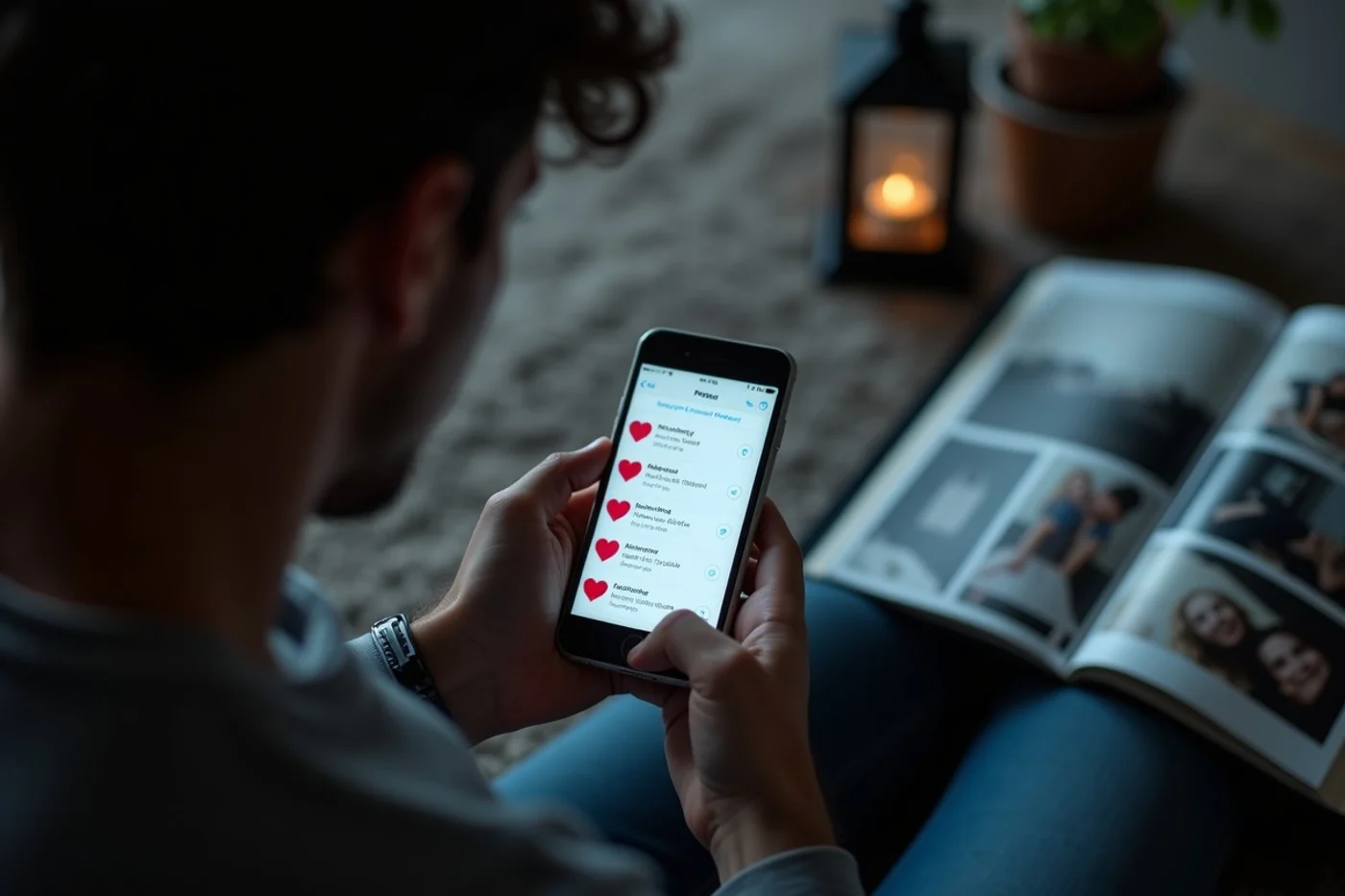
The decision is simple when the attention reaches material that was not offered for casual engagement. Multiple old likes in minutes, comments that reveal close reading of years-old posts, or references to photos they limited to a smaller audience shift the experience from interest to surveillance. A person should not need to explain why that feels uncomfortable.
Distance also matters. Once someone has asked for space, declined further dating, removed access, or stopped engaging, continued reactions to old content ignore a clear social boundary. An accidental like is ordinary; leaving it alone is usually enough. Deliberate repeat engagement after that point keeps a connection alive on one person’s screen when the other person has stepped away.
A restrained social signal
A recent photo from a museum, a trail, a meal, or a concert gives you a natural place to react without excavating their account. The interaction is tied to their present life and does not demand an answer. A post about a hobby you also enjoy offers another opening, provided the topic belongs in the conversation you already have.
Direct interest carries more weight than profile research. After a date, a follow-up text about the evening or a plan for another meeting says what an old-post like cannot. During regular dating, responding naturally to something current is enough. Social media works best as background texture, not as a test of whether someone returns your attention.
Let the connection grow without turning the profile into evidence
Notifications are poor evidence of romantic interest. One person uses social media freely; another rarely opens it, never likes posts, or keeps an account mostly as an archive. A sparse response to your like says little on its own.
Engage lightly when a post catches your attention, then return your attention to conversations and time together. Their response to plans, follow-up, and ordinary contact will tell you far more than activity on a photo from two summers ago.
One older-post like is rarely a problem. The stronger judgment comes from the volume, the age of the material, and what has already happened between you. When you are tempted to keep scrolling for a signal, put the phone down and look at the connection in front of you: the conversations, the dates, and whether interest is being met there.