
Don't decide what a slow reply means by looking at the clock alone. In early dating, it usually means only that the person has not replied yet; its real meaning comes from their established habits, the message awaiting an answer, and what happens around the text. One delayed response is weak information. A recurring slowdown paired with thinner conversation and stalled plans is worth taking seriously.
Published by Between Dates
How long is too long to reply to a dating text?
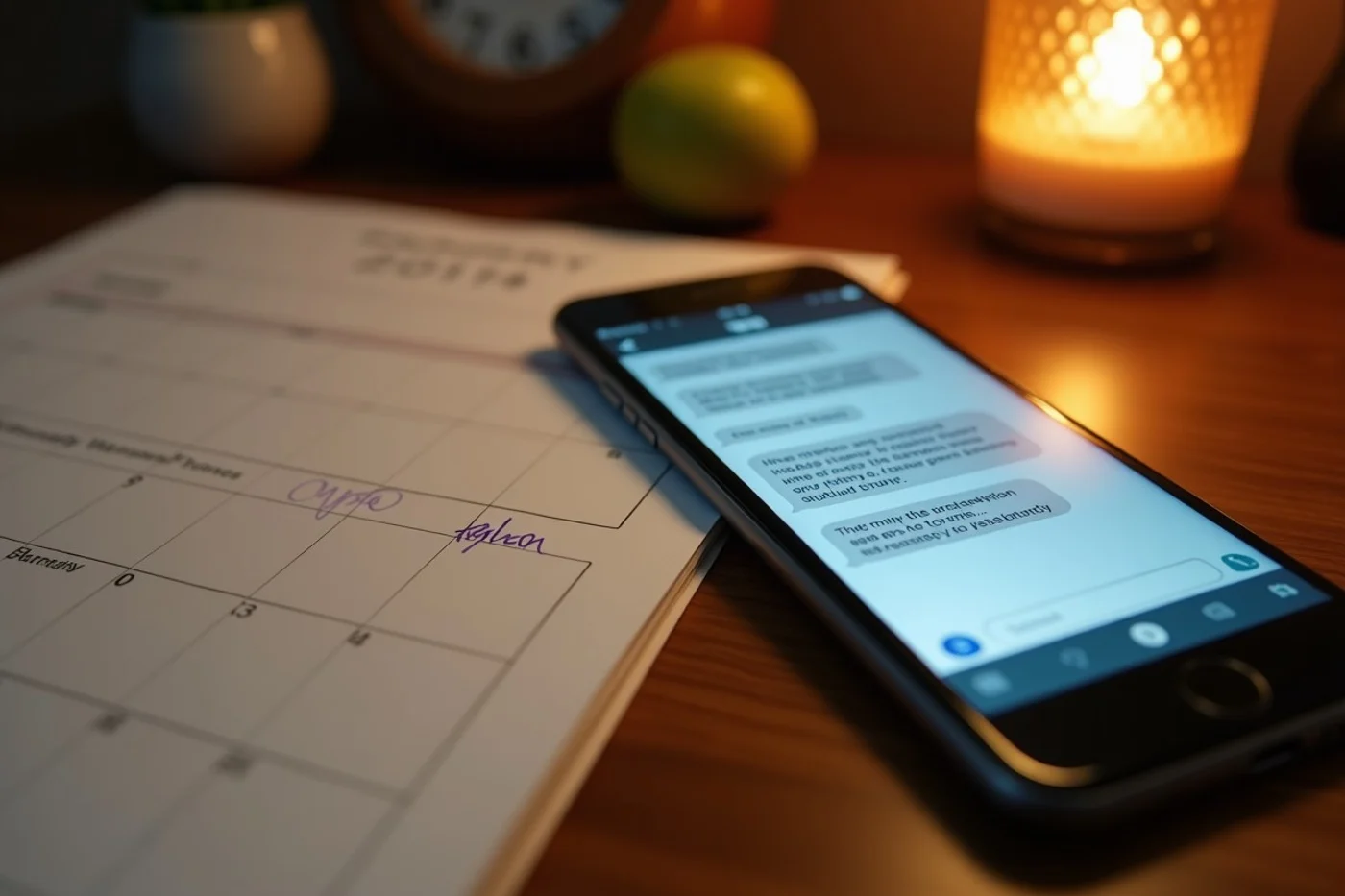
An unanswered note sent at 10:30 p.m. carries a different expectation from a question about Saturday's reservation. At the beginning of dating, people have no shared reply habit yet; a pause of several hours says far less than it would after weeks of regular daytime back-and-forth. A practical question with a deadline deserves an answer sooner. A casual photo, a late-night thought, or a message that closes a conversation does not.
Daily texting becomes normal only after both people settle into it, not because a calendar says it should. Work shifts, child care, travel, meetings, and sleep all change when someone can reply. Compare the delay with their recent pace: do they usually answer over lunch, after work, or the next morning? A late response that fits that pace is not a special clue. A reply that arrives after a time-sensitive plan has expired matters more because it changes what the two of you can do together. Timing matters when a plan is waiting.
A delayed response means little without a pattern and context
One missed evening is a scheduling fact, not a verdict. Getting back to you the next day with a full answer, referring to something you said, and still confirming Friday means the connection has not disappeared. Warmth and making plans matter more than the blank stretch on your lock screen. Replying after a 7 p.m. shift, remembering your story about the crowded train, and choosing a restaurant for Sunday says something different from replying "haha" two days later while leaving every plan hanging.
Recurring delays matter more when the rest of the exchange thins out too. If every reply is brief, questions go unanswered, plans stay vague, and you start each new thread, the issue is bigger than reply speed. The dating connection is no longer moving in both directions. There is no need to wait indefinitely for them to text first or turn initiation into a test. Send a message when you have something to say, then leave room to see whether they bring anything back.
When replies suddenly slow after several good dates

Silence feels louder when it follows several warm dates and a quick, easy exchange. Compare this week with the pace that existed before it, not with your preferred reply window. A work deadline, family visit, or travel day can interrupt a familiar routine without changing how someone feels about seeing you.
Once a pending plan needs an answer, one calm follow-up is enough: "Hope your week's not too brutal. Still up for Saturday?" Further check-ins do not create clarity; they turn uncertainty into work for you. Their response, or lack of one, gives the change its meaning.
Busy texting and fading interest leave different evidence
The question is whether a delay is a temporary interruption or says something new about their interest. Busy people still leave signs: they return with substance, answer the question, volunteer a detail, and find time for the date they mentioned. They may say less during a packed week, but the thread resumes and the arrangements hold.
Fading interest shows up as an accumulating reduction: fewer questions, thinner answers, less initiation, postponed dates with no replacement. No single timestamp proves that. Review the last two weeks: who began conversations, did plans happen, and did replies address what you actually said? Don't repeatedly calculate minutes between texts (your phone's timestamp is not a relationship referee). When most of the record says engagement, let a late reply stand. When most says withdrawal, stop supplying the missing momentum.
Leave the phone alone when their messages remain warm and dates still happen; meet the next interaction on its actual terms. When delayed replies come with fewer messages and unmade plans, step back and let their actions answer the question. Continue at the pace being offered, or stop putting energy into a thread you are carrying alone.